My life is rather different than a few years ago.
(If you’ve been reading the blog since the beginning, you know this.)
Or perhaps you’re new to Sunshine and Olly, but know my writing from previous incarnations at the NYT or APE?
If so, you might find it surprising I generate so little of my income from the photo industry these days.
After 20 years of making a go as a freelance creative, (photographer, writer, editor, teacher, professor, mentor, consultant, artist,) 2023 wiped that away, as it did to many of my colleagues.
Fortunately, I was a journalist covering the photo industry, so I was able to see the writing on the wall, and I’ve tried to pivot as best I can.
But the truth is, the Pandemic disturbed life, society, industry, and individual career trajectories far more than most of us fully realize.
For years, I was fortunate to travel to photography festivals around the US, meet with artists, share feedback about their work, and then publish the best of it in my weekly APE column.
But that was then.
At this point, it’s been a year since I went to Oklahoma for HuffPost, so those jet-setting days are a distant memory.
Looking back, of all the festivals I attended over the years, I became closest with the team that runs the Filter Photo Festival in Chicago.
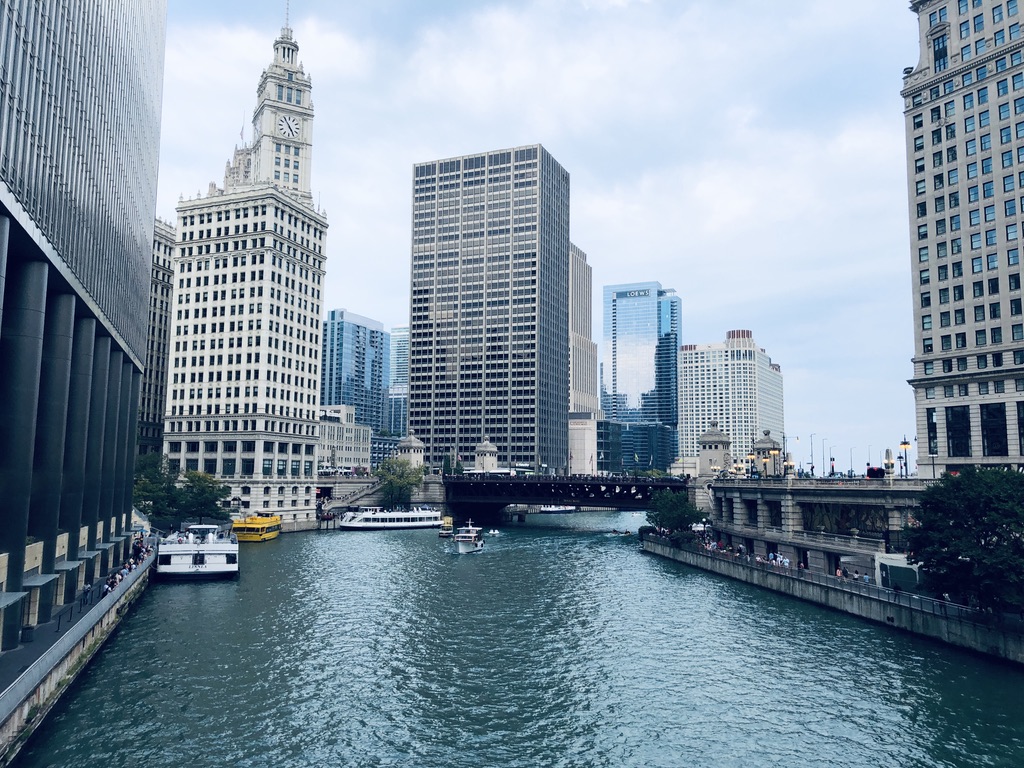
I attended, as a portfolio reviewer, in 2015-17, 2019, online in 2020, and then in-person in 2022.
(Seven times, all together.)
As I said, sometimes it seems it happened to someone else, but there were so many nights I ran around Chicago, hitting up great bars, listening to amazing music, laughing my face off.
Life is more complicated now, but I spent enough time in the Filter-verse to vouch for the experience they create once a year, and the artistic support they provide to the Chicago photo community year round.

Earlier in 2024, Erin Hoyt, (who was Director of Operations forever,) stepped into the Executive Director role formerly held by Jennifer Murray.
Erin and I go way back, and seeing someone promoted from within made me happy. (She’s also a successful wedding photographer.)
Even in tough times like these, Festivals are the industry’s lifeblood, as they offer people the chance to exchange creativity and positive energy.
Networking, idea generation, inspiration, joy… they’re all possible, if you hit the right spot with the right intention.
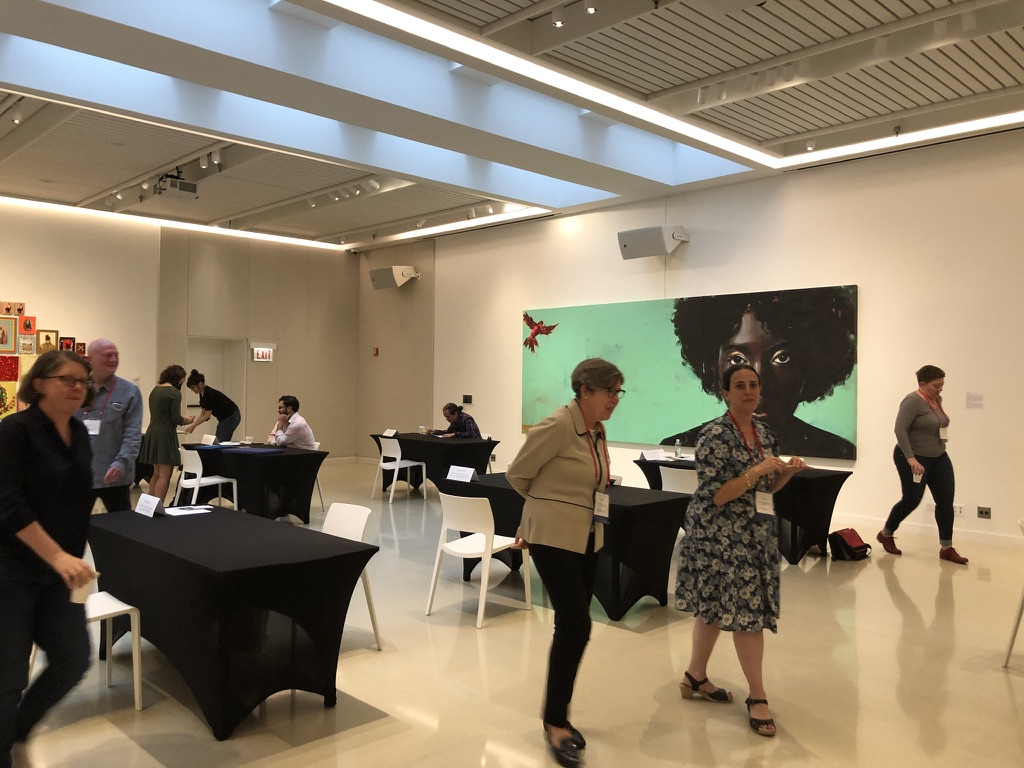
With that in mind, as I’ve decided to focus Fridays on the photo industry again, (as I did for 11 years,) I wanted to check in with Erin, to see how she plans to take Filter deeper into the 2020’s.
Thanks for taking the time, Erin! And best wishes to your husband, curator Greg Harris, as well. (He’s mentioned in the interview, so here’s your context.)
Jonathan Blaustein: I know you’ve been with Filter for more than a decade, but you’ve only recently taken on the Executive Director duties for the first time.
Since you’ve got such a deep perspective, how would you describe Filter as an organization, and how important is the annual festival to your mission?
Erin Hoyt: Yes! I recently stepped into the role of Executive Director, and previously served as Director of Operations for over a decade. I do think it has uniquely positioned me to see our organization’s growth over the years, and where I believe we could push further and expand.
Filter Photo is an organization that was created by artists, for artists, that focuses on professional practices for fine art and documentary photographers.
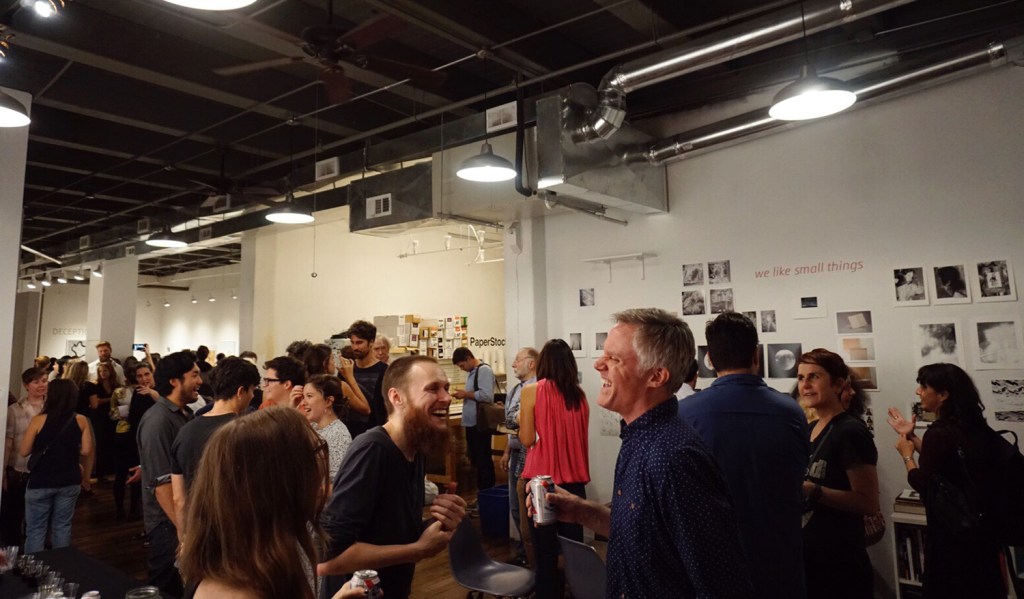
With our year-round programming and exhibition opportunities, we see our mission to be a resource for artists through critique groups, exhibitions, workshops, artist talks, and other diverse programming centered around contemporary photography.
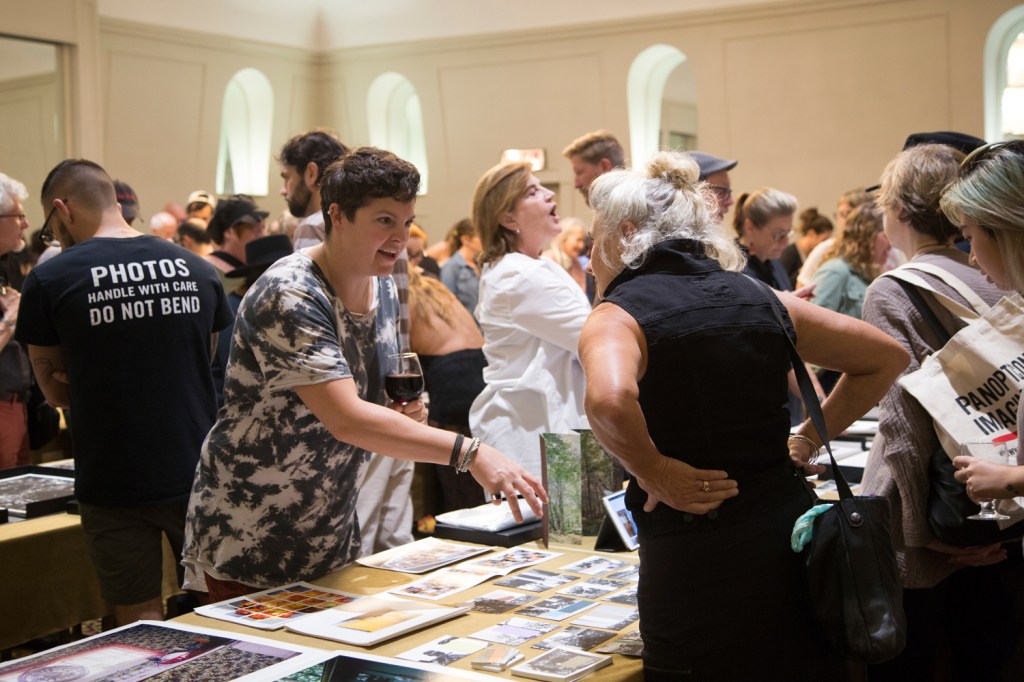
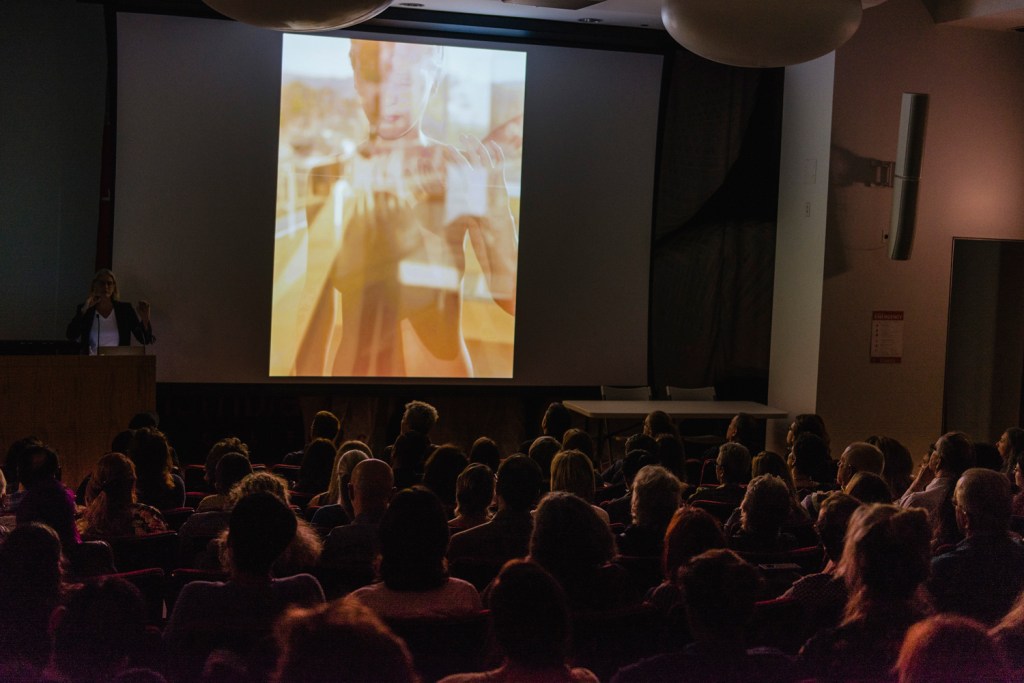
The annual Festival held each September in downtown Chicago hosts a robust week of programming, including portfolio reviews, workshops, exhibition receptions and more! We see the Festival as an annual gathering to celebrate photography, to support the photographic communities, and highlight Chicago as a vital center of the national photographic community.
JB: In my travels, I always felt festivals that capture the local culture, and share that with attendees, were my favorites.
Chicago is such an amazing city, though its vibe is perhaps less-well-known than New York or LA, America’s other mega-cities.
Blue collar, down to earth, big people, immaculate architecture, friendly folks.
What are some of your favorite things about Chicago, and what do you think makes it special?
EH: I grew up in Michigan, so Chicago always felt like a second home. It’s great because it has everything you would want from a big city, without the grind.
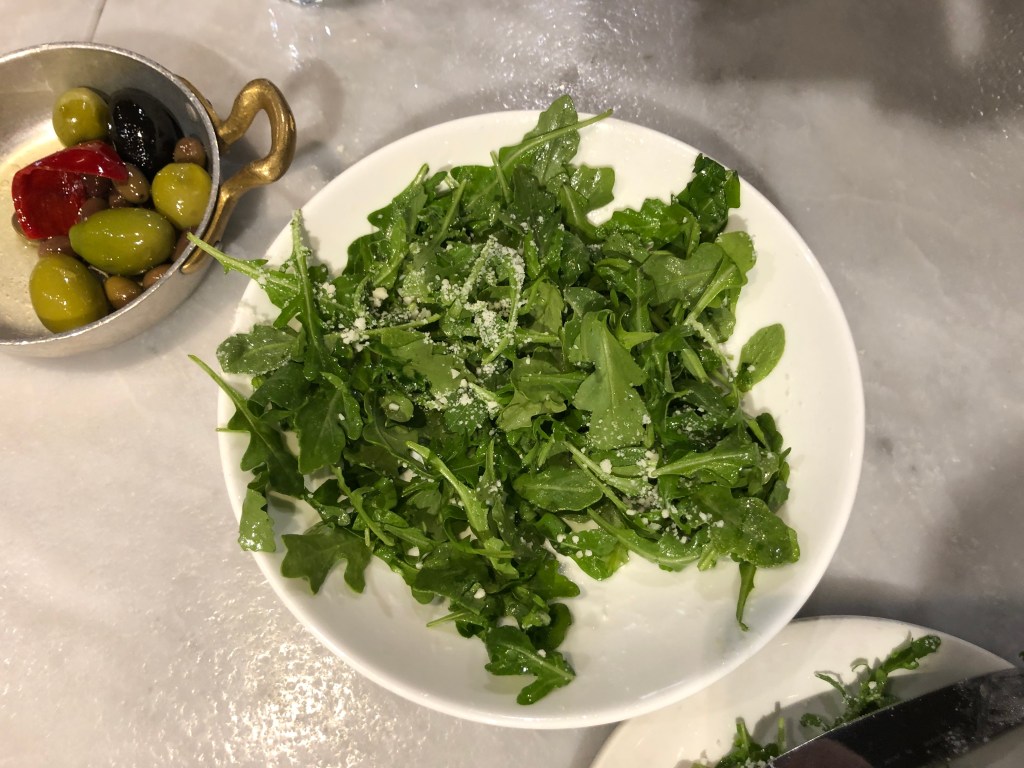
And the food scene here is incredible.
If you visit, be sure to check out the local neighborhoods, and venture outside the downtown area. I love Cafe Lula in Logan Square, and if you hit The Girl and the Goat in West Loop, your tummy will thank you.
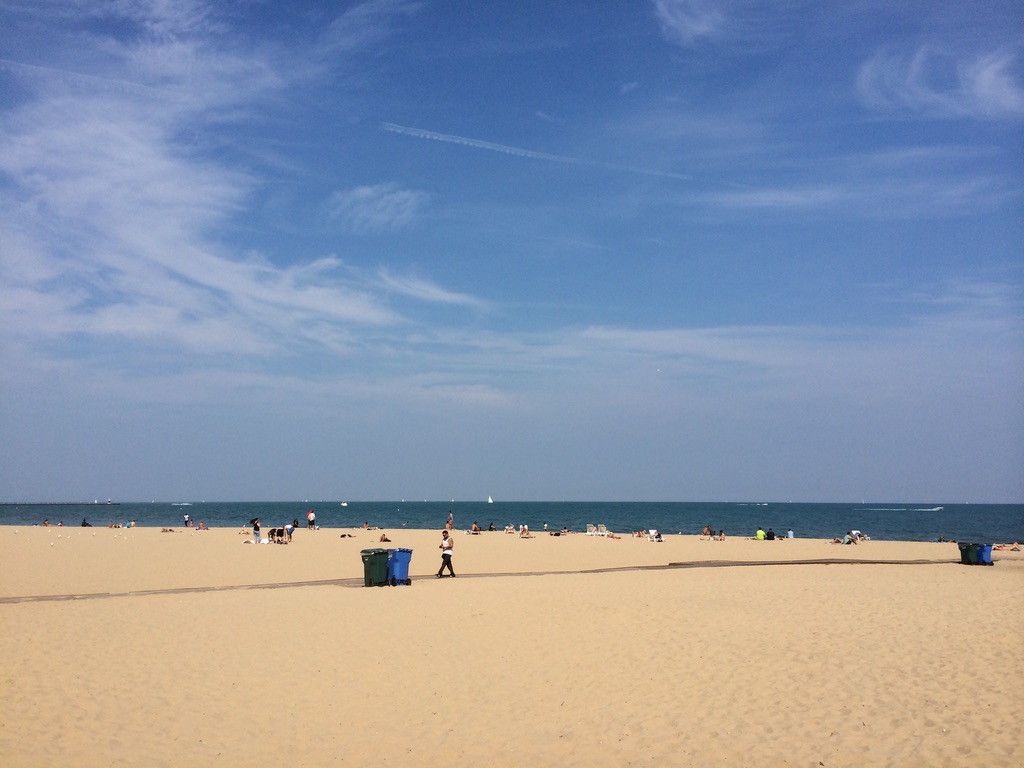
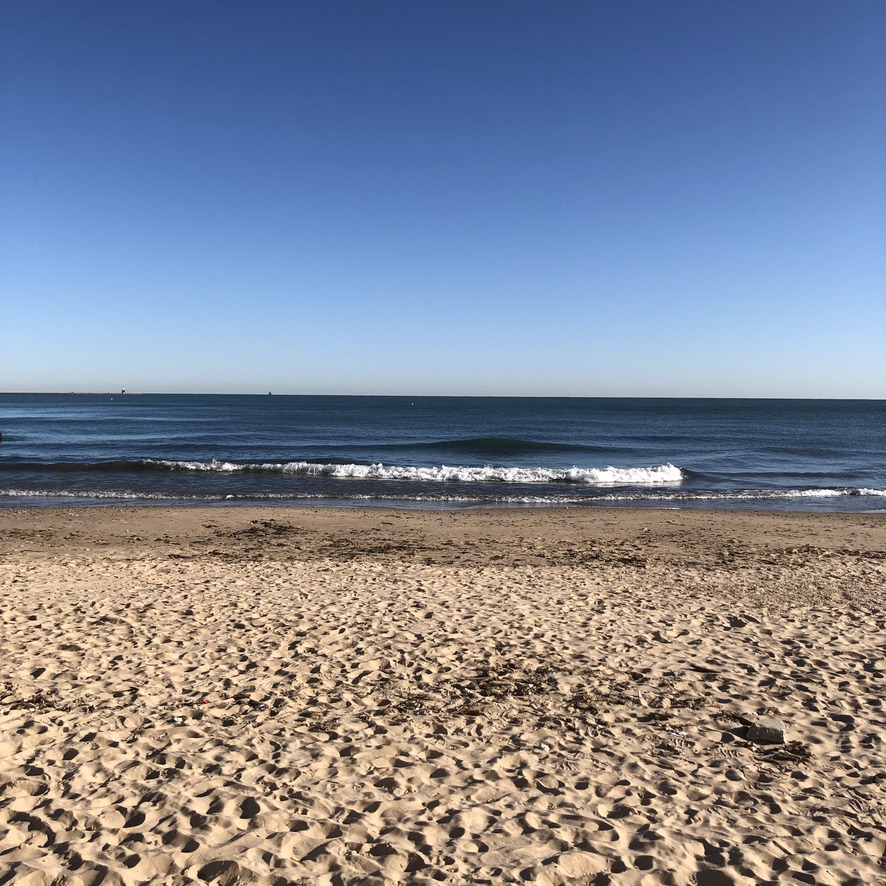
If you’re into breweries as much as Greg and I are, Uptown has a great cluster to keep you busy. In the summer, take advantage of the city’s free concerts in the Millennium Park, and its sprawling lakefront beaches with a dip in Lake Michigan.
Honestly, there is just so much to see, do and eat in this magical city.
Filter is hosted downtown, within walking distance to the all the museums, parks and the lakefront. (Being centrally located allows our attendees to really explore and engage with Chicago.)
The local art scene is also vibrant and collaborative, and we like to show this off by offering curator’s tours of exhibitions, print viewings from museum collections, and a gallery walk in West Town’s arts district.
JB: In my column at APE, as I was wrapping things up in my time there, I remember specifically mentioning that Filter had strong relationships with Chicago’s local art schools, (Columbia College, SAIC…) and it allowed for a youth pipeline that seemed to keep the energy fresh.
Do you think that’s a fair assessment, and is it something you’d like to continue going forward?
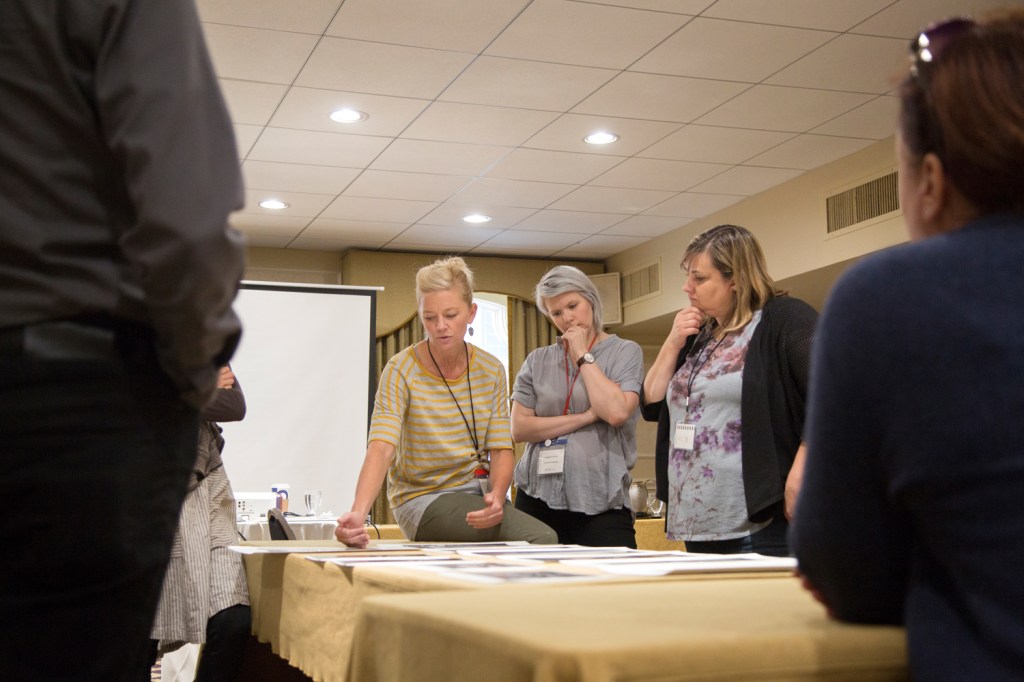
EH: We’ve always prioritized engaging with students during the annual Festival, and this year we will be headquartered at Columbia College Chicago’s Student Center for reviews, workshops, and artist talks.
Unlike other Festivals, most of our programming is free and open to the public. Hosting our events at the Student Center allows us to engage with students, while remaining to be open and accessible to all of our attendees.
We also offer student scholarships for high school and college students to cover the costs of attending the reviews.
JB: Are there any particular ideas or agendas you’d like to pursue, now that you’re occupying the leadership role?
EH: Reengaging with audience, and showing the value of in-person gatherings is a focus as we lead up to the annual festival.
At Filter Space, (our gallery,) we continue our mission to build it into an open center for photography through our exhibition schedule and social, educational, and professional development activities. Looking forward, we’d like to expand the year-round programming, and include more community focused events through exhibition tours, in-person critique groups, and book club.
Filter is also currently planning to open an artist-in-residency program that would offer programming and exhibition support to contemporary photographers.

JB: Finally, I’ve reported here on many occasions how hard it is these days, in the photography industry.
So many jobs lost and resources cut from the scene.
But I’ve always been positive about festivals as a way to bring people together.
Are you optimistic about the future of American photography, from your perch atop one of its most important festivals?
EH: I’m very optimistic about the future.
With programming now being offered online and in-person, people can choose their own adventure, and it’s allowed for a wider audience to participate.
I agree festivals are a great way to bring people together.
In my opinion, you can’t beat the opportunities and relationships created that in-person gatherings provide. We aspire to bring artists and patrons together to celebrate photography, and walk away with connections that expand their resources and community.
 Sunshine and Olly
Leave a comment