No one is coming to save you.
It’s hard to hear, but eventually, you’ll thank me. Because it’s one of the most difficult life lessons to learn.
In this case, we can blame Hollywood.
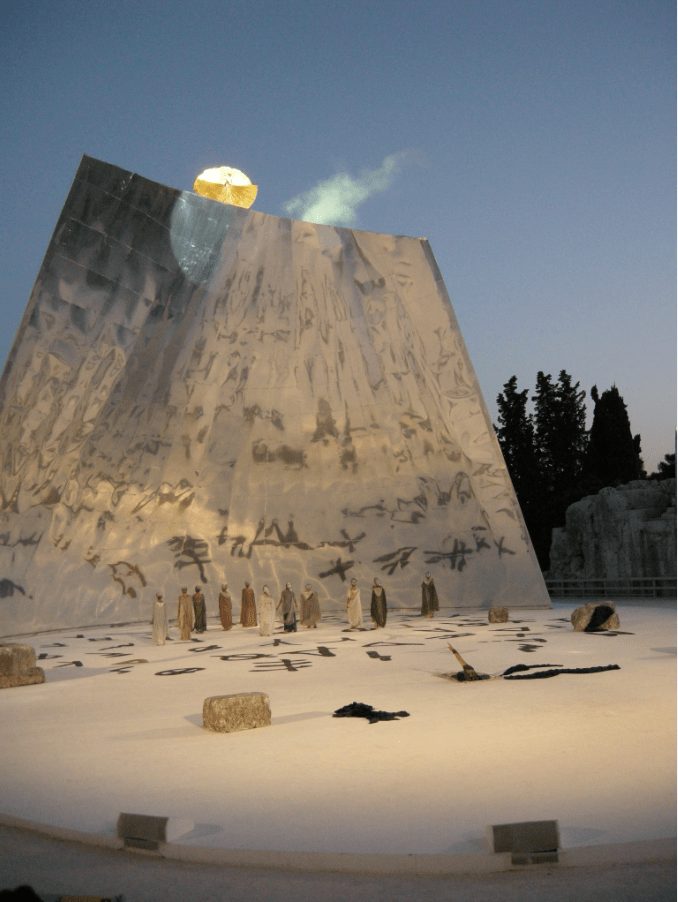
Thousands and thousands of stories told over the years, and so many of them still use a plot device ripped from the Ancient Greeks: the Deus ex machina.
Most normies won’t know that term, but I’m aware that most of you aren’t normies.
So as not be a pretentious asshole, let me explain: Deus ex machina means the part of the story where someone, or something, shows up, improbably, just in the nick of time.
It happens so often that most people don’t even notice anymore. And one can’t fault the ancient storytellers for wanting to preserve tension for as long as humanly possible.
That desire, to keep the audiences rapt, required that salvation only happen at the Very. Last. Second.
By the gods. (Most of the time, anyway.)
And Hollywood has leaned on that time and again, to the point it became a part of American mythology.
A nation of individuals, but somehow, we always win in the end, and the good guy always wins, and he always has tons of friends, who have his back, and he is the best shot, and the best fighter, and the best lover.
Americans have been trained (especially by Trump) to believe that only winning matters. And they deserve to win, all the time, no matter how they behave.
That is what it all comes down to.
Do you win friends and influence people by being a good enough person that there are people who care enough about you to “have your back,” or do you use power, intimidation, and control to force people to be nice to you? (Otherwise known as kissing your ass.)
In fairness, this rant is not random.
I’ve been writing about friendship, mental health, and the attempted pursuit of happiness since I began Sunshine and Olly six weeks ago.
And this weekend, I read three things that blew my mind, for how tightly they tied together the philosophy I’ve been unpacking, (in real time,) here on the blog.
First, this brilliant, long-form piece in ESPN, about the absolute limits of good friendship.
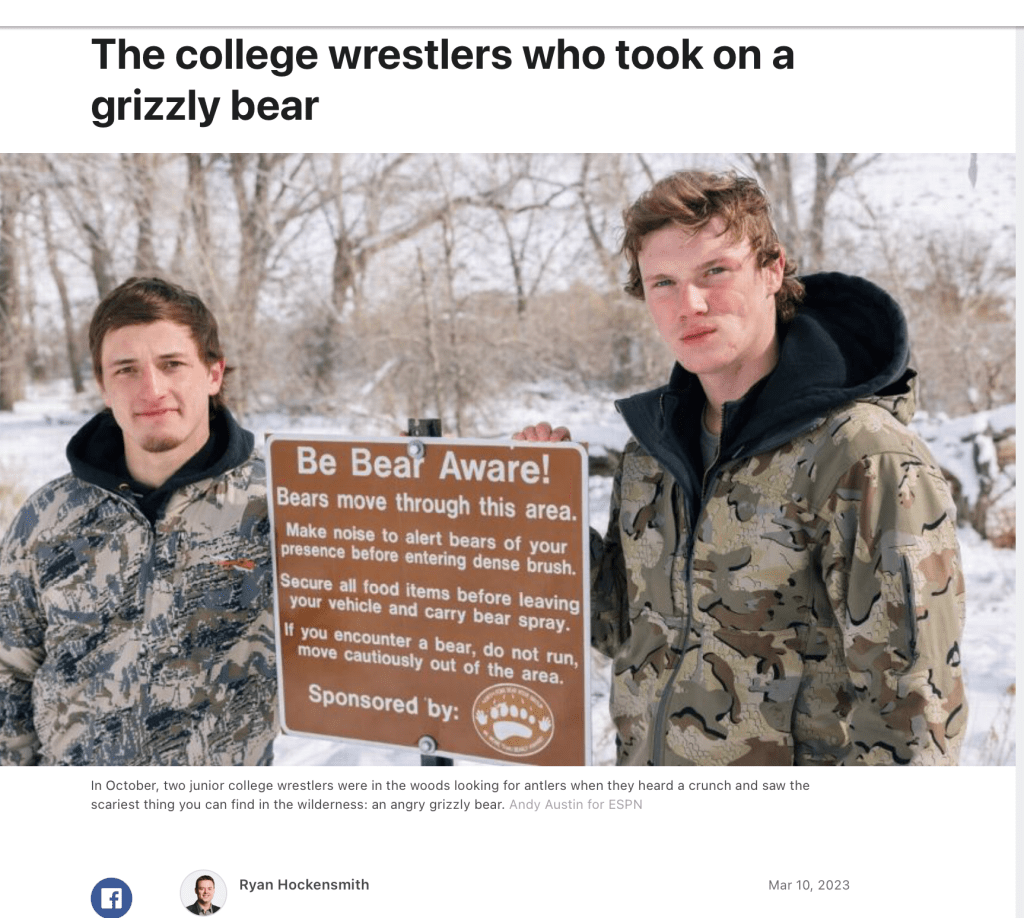
Two wrestlers, new but really great friends, were hunting for shed antlers in Wyoming. They stumbled into a Grizzly Bear’s home, and when she attacked one friend, the other had the chance to get away.
Instead, he charged the bear, trying to execute a takedown, because she was about to kill his buddy. As a result, the hero took the worst brunt of the attack, but they miraculously both survived.
This is the dream scenario, and it worked out.
An actual fucking Deus ex machina.
But these were two dudes who cared about each other, had spent (probably) more than 100 hours as wrestling training partners, and who believed in the values they were taught in sports.
On a deep level.
That is what most people want, but don’t know how to get.
As to the second article, (in the NYT,) it provided some science to something I’ve noticed anecdotally, and begun to write about.
Americans are literally anti-social right now, as many people’s brains aged 10 years during the pandemic.
People are scientifically different, and have lost skills on how to relate to each other, how to connect, and how to offer the kind of friendship they’d like to have in return.
(If you can’t give, you can’t receive.)
The last article is the bleakest.
Consider yourself warned.
It was another long-read, this time in the NYT, about a family-owned sandwich shop in Phoenix, which is located in a neighborhood taken over by a tent city.
The writing is terrific, the photos are great, and overall, the story manages to empathize a bit with the sub-makers, and the people living in hell outside the door.
In this case, it’s LITERAL HELL, as more than 1250 unhoused people have died on those burning, Phoenix streets in the last two years.
1250!
Many of them cooked to death on the concrete.
Elsewhere, it describes the way human civilization works, when only might makes right.
Protection rackets have developed organically in the tent city, and people are killing each other over patches of sidewalk.
They were left to die.
Alone.
In the worst of circumstances.
And nobody came to save them.
If you’ve read this far, I’ll do a nice pivot, and turn my tone around.
This is not (only) a bleak story.
Because once people realize they will have to save themselves, it opens a big door to things like growth mentality, personal empowerment, and the quest for better mental health.
What most people want is to be safe, feel good, to be appreciated for who they are, and to be seen.
If/when a person grows up in a family that undermines that, rather than supporting it, or if they work in the wrong company, or go to the wrong school, it can be functionally impossible to live at one’s optimum.
It’s why sports teams talk about culture all the time.
And why so much of mental health Twitter is always discussing the impact of other people’s negative energy.
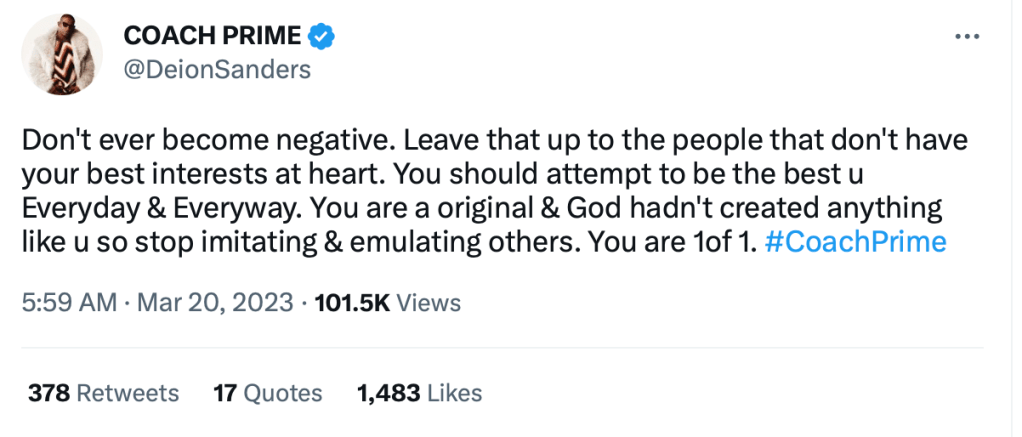
If you can’t buffer it, or avoid it, you best expect it will affect you for the worse.
So that’s where we’ll land today.
If you love yourself, (and if you have a partner and/or children, love them properly,) you’ll figure out what is actually wrong in your life.
Who is dragging you down?
Who doesn’t see you in the positive way you (hopefully) see yourself?
What makes you happy?
Who makes you happy?

It’s a great way to start down the path to being the engine of your own happiness.
Hasta luego!

 Sunshine and Olly
Leave a comment