-
Being Jewish in 2024

I don’t get along great with my family.
The one that raised me.
(Mom, Dad and Brother.)
Back in the weekly column days at APE, I definitely shared details, (perhaps overshared,) but haven’t written on the subject lately.
Frankly, I don’t want to get too deeply into it here, but there is one connecting point to land.
In our family unit at present, I’m on the outside looking in.
My younger brother has acted like an older brother our entire lives, and has never expressed the slightest interest in me.
But we have a civil level of communication at present.
(While I was the favorite growing up, he usurped the position years ago, and my parents moved to his town in 2022 after nearly 30 years in Taos.)
With my folks, we’re essentially estranged, as we cannot have contact without conflict.
In their eyes, because I’m at fault for the drama, they’re justified in treating me in ways I deem cruel.
That’s the key concept here: because they think I’m “bad,” they believe I deserve to be treated poorly.
It’s my fault they can’t be generous or kind to me.
Because I get what I deserve.
Sound familiar?
Yes, I’m back to teaching in parable.
What I really want you to consider is what it feels like to be a Jew in 2024.

Self-portrait, this morning. The cancer surgery scab has almost healed up. Pretty much everybody hates us.
The right and left wings have converged, united in the common opinion that Jews deserve to be harassed and vilified.
We’re the worst.
All of us are Zionists, and no matter how long we go back in America, our allegiance is to that apartheid state across the world.
On the left, unless you believe that Israel should be disbanded, returned to the Palestinians, and all Jews should go back to whatever Diaspora country their ancestors fled 100 years ago, you’re out.
That is their legitimate position.
On the far right, where Jews will not replace us, anyone with even a cursory knowledge of Evangelical Christianity will know that what Jews get is a choice, in the End Times:
Convert or Die.
So there you have it.
Personally, where I live, being Jewish doesn’t impact my daily life.
In Taos, everyone’s always been on edge, as this is a Frontier culture, so being a Jew here is fine.
However, most of us also live online in 2024.
And it’s pretty shitty to be Jewish on the internet.
Always being told you suck.
You’re wrong.
Being conflated with Netanyahu.
Here on the blog, I’ve called that fucker out twice already.
As I believe both sides in this conflict have behaved abominably.
There is no glory here.
For anyone.
The only step that makes any sense at all is to find peace.
That’s it.
Let’s figure out how to find a peaceful solution, how to de-escalate, how to return to a world with less prejudice.
And let’s have two separate countries: Israel and Palestine.
Please and Thank you.
-
China Has Weaponized the War on Drugs

I finally watched Narcos on Netflix.
Then I watched the follow-up, Narcos: Mexico, as well.
Both are entertaining, and well-constructed.
(Definitely made me wistful for the years when streamers would drop mad cash on high-end talent & production values.)
And anyone who doesn’t love Pedro Pascal is kidding themselves.

Image courtesy of The Hollywood Reporter It’s fascinating history, too, at least the part that wasn’t dramatized.
How cartel behavior in Colombia, and then Mexico, allowed organized crime to flourish, hollowing out a bunch of Latin American countries in the process.
(A cartel being an economic instrument in which competitors collude to fix prices and control the market.)
Though the show is set in the 80’s and 90’s, the reality is still current.
In fact, it’s worse.
These days, you can add countries like Ecuador and Argentina to the many that are wracked with violence, infiltrated by criminal networks, due to the realities of supply and demand.
Americans demand narcotics to numb the pain of a nearly impossible set of expectations for contemporary existence.
If tens of millions of people here didn’t need help getting through the day, (or the night, in the case of cocaine,) it is certain Latin America would be in better shape.
We’ve always been the bully big brother, impeding their opportunities to advance.
But now there’s an even bigger bully on the block, trying to take us down:
China.
You saw that coming because of the headline.
Sure.
And maybe you know that Chinese companies provide the industrial chemicals that Mexican cartels use to create fentanyl in Mexican labs?
Maybe you also knew that HSBC, the bank, has been implicated in money laundering for the cartels too?
But even I didn’t know, until this week, that the Chinese triads are the leading producers of illegal marijuana in the United States.
Apparently, they moved from partnering on money laundering, to raising capital for their own enterprises by funding illegal grow houses, to sell in states where weed is still illegal.
You can’t make this shit up.
First, I caught news that the Feds were stopping LEGAL shipments of weed in Southern New Mexico, at border checks 60 miles inside the US.
Odd, for sure.
Our Governor and Senator complained, as it’s an interruption of a billion dollar business in a poor state.
I assumed they were just straw men for the Mexican Cartels, but this morning, ProPublica blew the lid off with an amazing story of the Triads taking over Oklahoma.
Oklahoma?
If you know anything about authoritarianism, and Chinese history, you’ll know their power structure is top down.
It’s why Tik Tok is in so much trouble here, or why Brooklyn Nets owner Joe Tsai defended China instead of Hong Kong a few years back.
Nobody over there does any business without the bosses knowing what’s up, and approving.
Just like Putin.
Then party gets a cut, and works with the mafia, as he does.
This is some reverse Opium Wars shit, going on at the same time Tik Tok has convinced American youth in the righteous cause of… Hamas?
The first image that pops up in a Google search for The Opium Wars, courtesy of Wikipedia Pay attention, folks.
You’ve been warned.
The 21st great power wars are just getting started.
-
Photo Feature Friday: MIKE TYSON

Thanks, everyone!
I was pretty honest yesterday, and asked for what I wanted.
I hoped for digital connection, and you delivered.
Lots of love came my way.
Truly, I appreciate it.
Among the most powerful messages to arrive, via multiple digital platforms, were people sharing their own cancer experiences.
All of which were more serious than mine.
As I wrote yesterday, what I had is supposed to be mild, and treatable. (A carcinoma.)
My particular misery came from misdiagnosis.
So many people out there are dealing with life-changing, super-scary, cancer shit.
It’s an honor to use this platform to give more exposure to the issue, because it opens opportunities to offer empathy and kindness to others in our community.
A big win all around.
So let’s hope all of you facing major surgeries, or bouts of radiation or chemo, come through swiftly and well.
We at Sunshine and Olly are here for you.
That said, I ended yesterday’s post by (mostly) promising a photography column today.
So let’s get to it.
About a year ago, I conducted a live email interview with Lori Grinker, a photographer in New York.
I’d recently tried out the process with Dana Stirling, and it worked perfectly.
I’d ask Dana something, she’d write back, I’d ask again, and so on.
The whole thing probably took 20 minutes.
With Lori, though, it just didn’t come together.
Call it Mercury in Retrograde, but while I ended up with passable text, (it wasn’t a complete fail,) at the time, it just didn’t read well enough to me.
Probably it was burnout, as that was more or less the end of writing about photography for a year.
Sorry, Lori, you didn’t do anything wrong, I just didn’t vibe with the material we created.
But I promised you when Sunshine and Olly began that I’d review your book, and here we are.
It’s perfect for today, as it features a trove of terrific images of one of the most famous men in the world:
Mike Tyson.
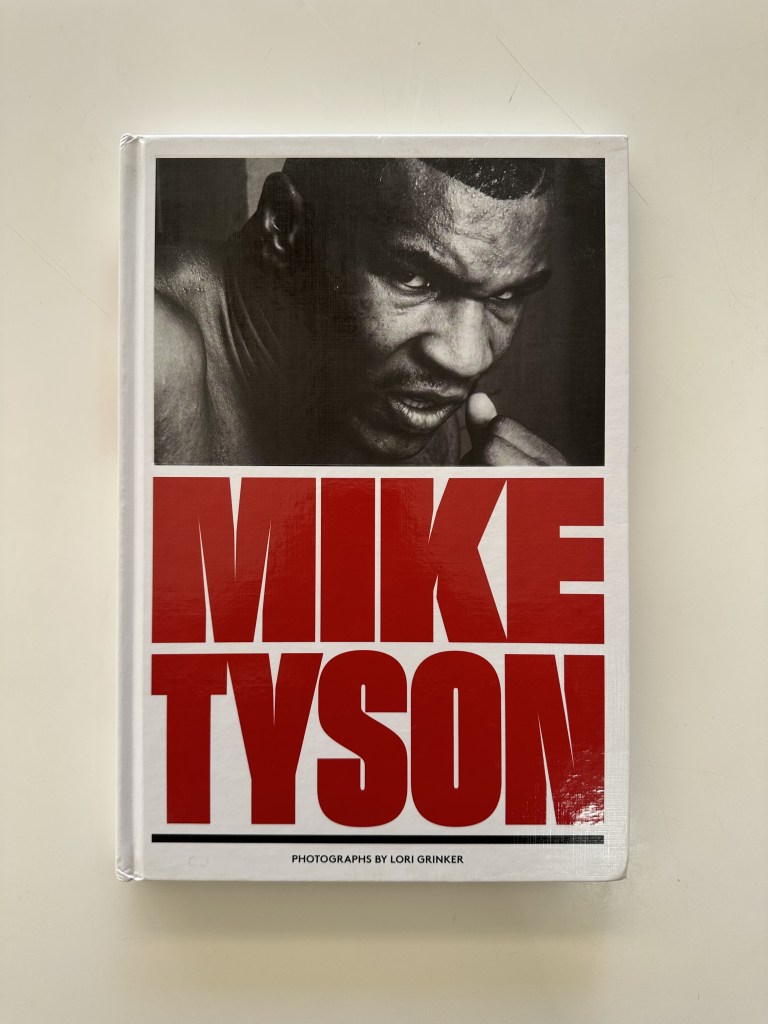
The book is called “MIKE TYSON,” and there was a show at Clamp in NYC as well.
Still, had I run with this last April, it would have been cool.
Mike Tyson.
But in the year since, he’s back to being MIKE TYSON.
Why, you ask?
Money.
First, from the Saudis, and then from Netflix.
To begin with, Mike was paid by the Saudis to promote the major crossover fight between former UFC heavyweight champ Francis Ngannou, and Superstar boxing champ Tyson Fury.
It was held in Riyadh last year.
Tyson was seemingly an important Ngannou trainer, and everywhere on IG and TikTok, but then it came out he was doing high-level spon-con as much as anything.
(They say he was also a mentor.)
Mike looked great, and is as charismatic as ever, but in this new age of supplements and growth hormones, he also seemed like a dangerous tank of a man, even at 57.
Like he could still take off a head with a patented power hook.
Somewhere, the idea planted a seed.
And that seed became the new Netflix summer mega fight with Jake Paul.
(Netflix’s first foray into live exhibition sports, after they also bought the rights to broadcast WWE.)
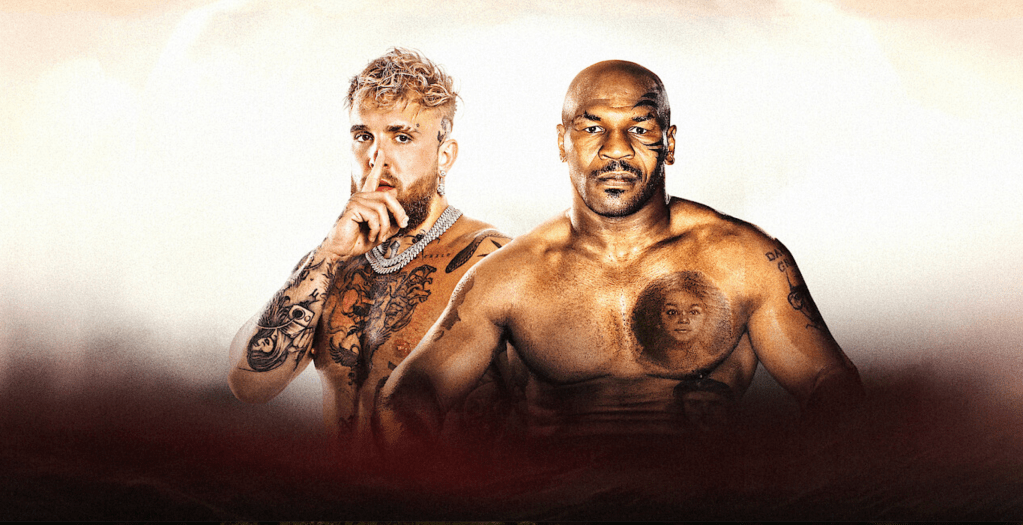
Image courtesy of Tudum by Netflix Because make no mistake.
It will be an exhibition.
No way the Paul money machine takes a risk.
And all fight-game people know there’s no getting over the 30 year age gap.
But Tyson’s so strong, and skilled, he won’t take any damage.
We’ll see lots of clinches, a Philly shells. (Defense.)
Like what Floyd Mayweather did against the other Paul brother.
And everyone, everywhere, will watch.
Because he’s MIKE TYSON again. Like he was when Lori Grinker made these photographs for 10 years, capturing his rise and fall.
It began in 1981 when Mike was 14, living in the Catskills with Cus D’Amato and his partner Camille.


Mike had been a local tough in Brownsville, but up there, they helped get him on track.
He was so big and strong, no one believed he was his actual age.
According to Cus, and as history has since proven, Mike is also very smart.
Especially about boxing.
A savant, like LeBron James is in basketball.
And seeing it all play out in so many photographs, an inside seat on the private jet?
It makes for an incredible book.

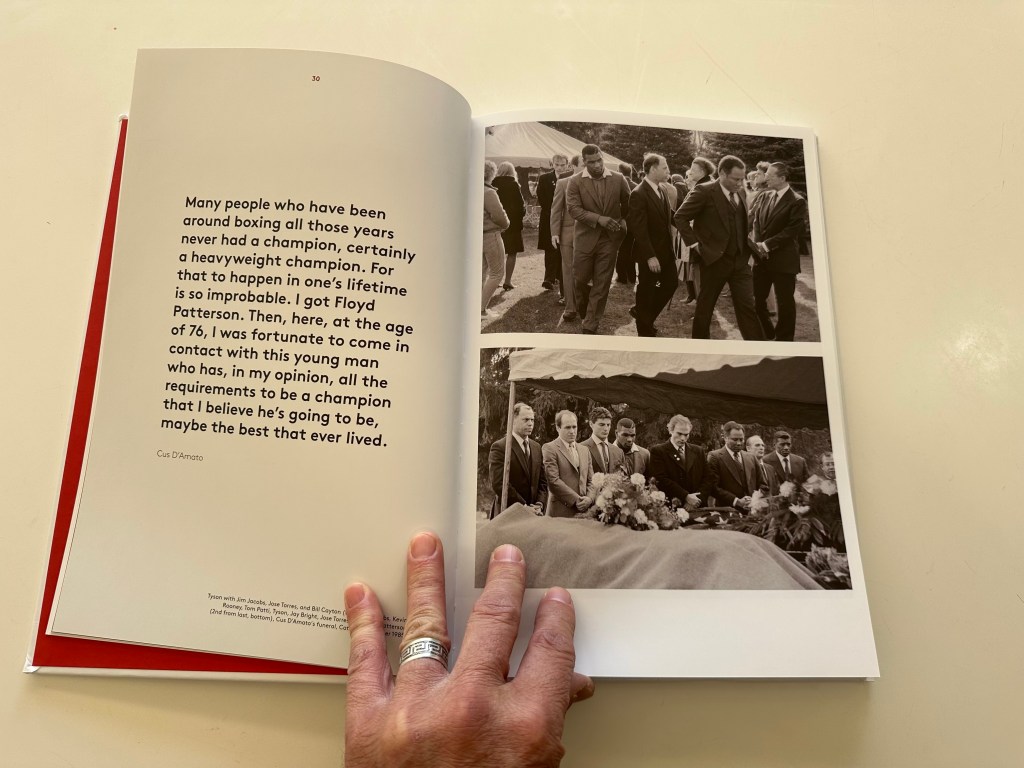

I was a boxing fan at the time, and saw Mike Tyson live in Atlantic City.
He was a phenomenon of and about the 80’s, back then, and the book gives it to us.


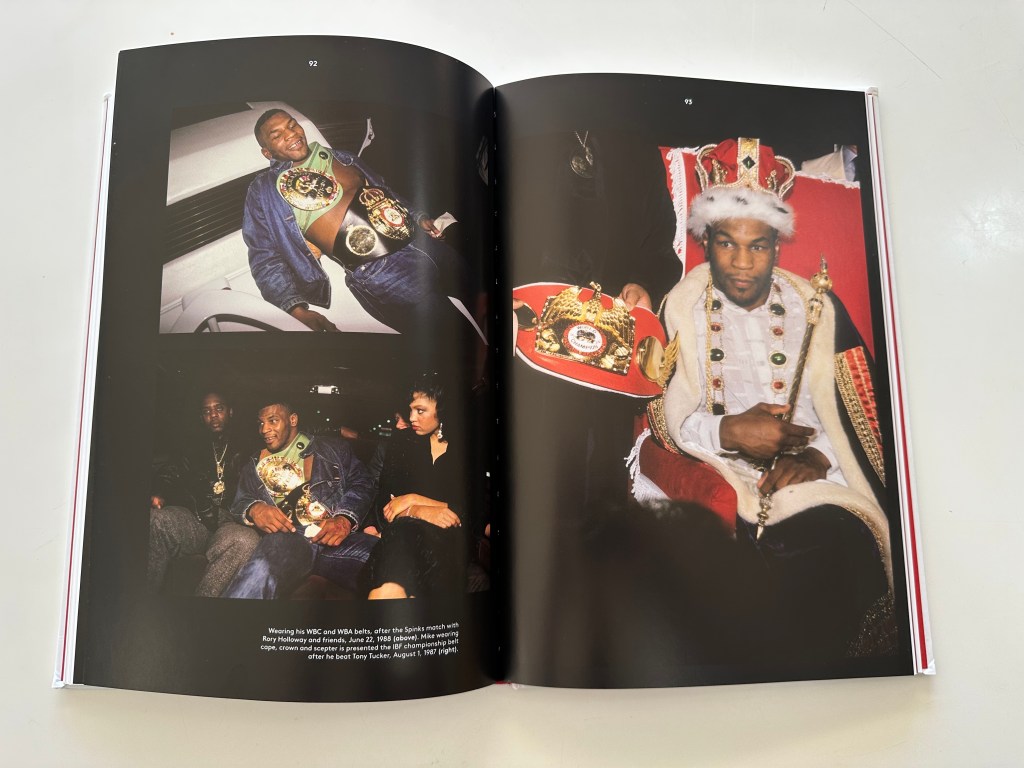


(That he’s now a 2024 version of a super-star is to his credit.)
But the book goes beyond style, and breadth.
We see a lot of Tyson, but the most personal shots in the book are just amazing.
Anyone will have favorites, but to me, seeing him miserable in the dentist chair, and then in the HBO green room holding cake, after getting his ass kicked by Buster Douglas…

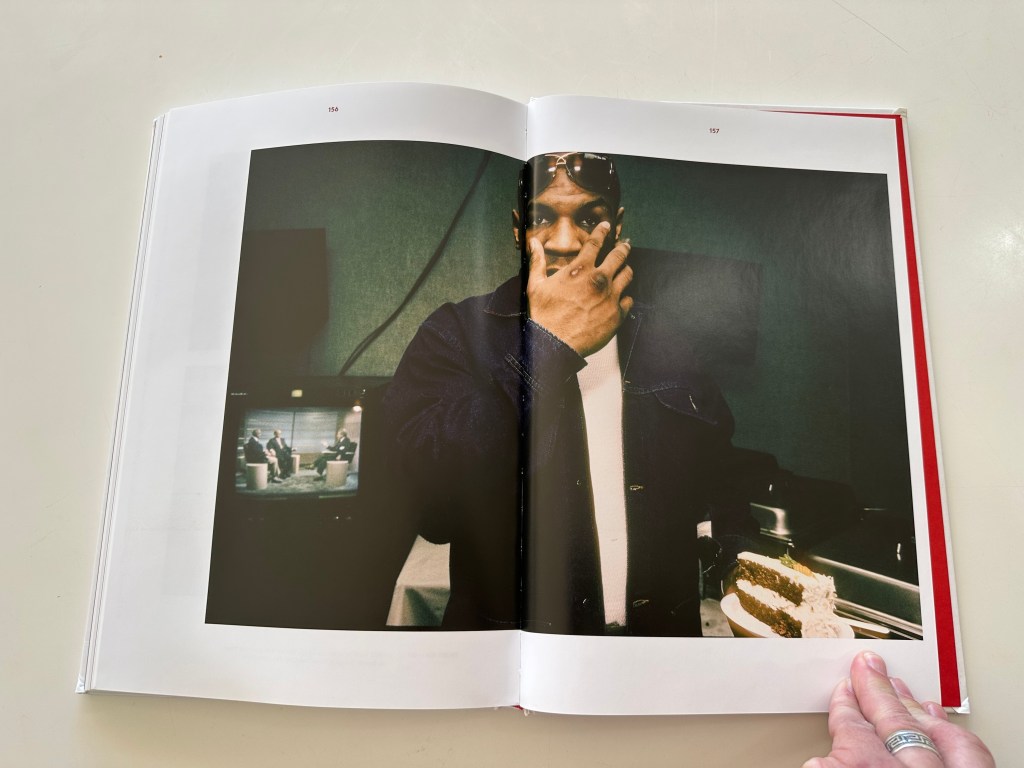
…just the perfect connection between photographer, subject, and a moment in time.
Great job, Lori!
Sorry the interview didn’t work out, but thank you so much for sending the book along.
It’s a piece of American cultural history, for sure.

-
Get Yourself Checked

Sunshine and Olly is in a weird place.
I’m hoping to find the balance between using this as my own creative outlet, and trying to benefit others by promoting their work, or sharing vital information.
Furthermore, as much as I get a thrill in seeing we’ve hit all Continents this month, (save Antarctica,) it’s also weird to share like this, but so rarely receive feedback.
As a longtime blogger, I know it’s par for the course, but still, it’s always nice when digital reality can lead to connection.
So let that be an invitation to any and all readers to please drop me a line some time, and let me know if S&O offers value to your day.
With respect to this post, my intentions are muddled.
I’ve had a bit of a shit week, (shit month, really,) and part of the fun was being diagnosed with skin cancer on my face.
The biopsy happened in March, so that month wasn’t so great either, and all of April thus far was spent waiting for surgery, then having it last Friday.
(Sad face emoji.)
Lots of people get cancer, and I’m not looking for sympathy.
(Well, maybe a little.)
Rather, I’m writing because I had this cancer on my face for 3 years, and saw multiple doctors about it.
Self-portrait, this morning, with skin-cancer scab Repeatedly, it was misdiagnosed, and/or I was told to live with it.
But always, it hurt.
Always, it was there in my consciousness: something is wrong with me.
I knew I couldn’t live with it forever, (despite being told to the contrary,) and on this round of dealing with the medical system, we got it sorted.
At least I hope so.
It could always come back.
But once you’ve had your face cut, scraped and burned, multiple times, with needles jammed in at the start, you get that message reinforced.
Listen to your body.
Trust your instincts.
If you think something is wrong, it probably is.
Get yourself checked, and don’t stop until you talk to the right doctor.
OK, I’m out.
I’ll (probably) be back tomorrow with a photography post.
Do you like them? Does it matter that I’m doing it again?
Please let me know, if you have a moment.
-
Photo Feature Friday: Erin Krall

The body has all sorts of wisdom.
It remembers.
(They call it muscle memory for a reason.)
Here I am, and it’s been 15 months since my last book review column.
At that time, it was a job.
Now I’m back, and it’s essentially a hobby, as no one is paying me to do Sunshine and Olly.
It’s a labor of love, because blogging is a creative outlet.
(And given the lack of platforms covering photography, I feel a duty to help out.)
Since you’re reading this, I’m proud to say that you, our audience, represent all parts of the globe.
We’re pulling in readers from North and South America, the UK, Europe, Central, South and Southeast Asia, and even Africa these days.
(Not bad, for a small readership.)
So this is the moment where I welcome you all (from parts far and near,) to this, my first book review column at Sunshine and Olly.
And wouldn’t you know it, but the photo-book gods were kind.
Let’s get to it.
Because I’d promised a Friday photo column, (but hadn’t set anything up this week,) I remembered Jessie had tucked away some late 2022/ early 2023 submissions in a stack in the back of the pantry.
I reached over the back-up toilet paper, and pulled out the first package I could get my hands on.
Wouldn’t you know it, but I found the OG submission that came in, after I’d transitioned to the new blog.
It was from Erin Krall, in Austin, and I really didn’t know anything beyond that.
Open up the packaging, and the book was wrapped in some cool, coffee sack burlap, which said Guatemala.

A lovely detail to set the experience.
Inside, the opening quote page was a bit confusing, if I’m being honest, and I could have lived without it.
Mostly because Erin’s writing throughout is terrific, and she quotes from Joan Didion, whose book, “A Book of Common Prayer” inspired this one, called “Live from Boca Grande.”
Erin’s opening text tells us the following images are “little poems,” and “like scraps of paper- a reporter’s notes from a decade on the Caribbean desk.”
End-book essays take us to Austin, Miami, and Sonora, Mexico.
So it’s a jaunt through nameless ports of call, essentially.
And a lovely one at that.
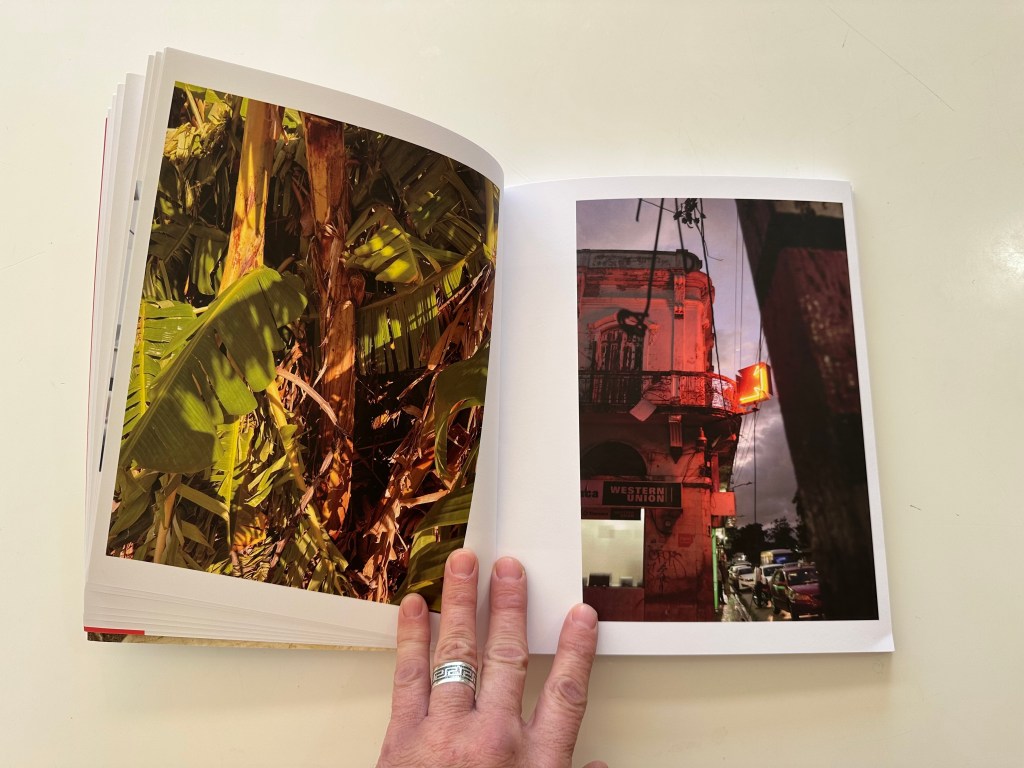
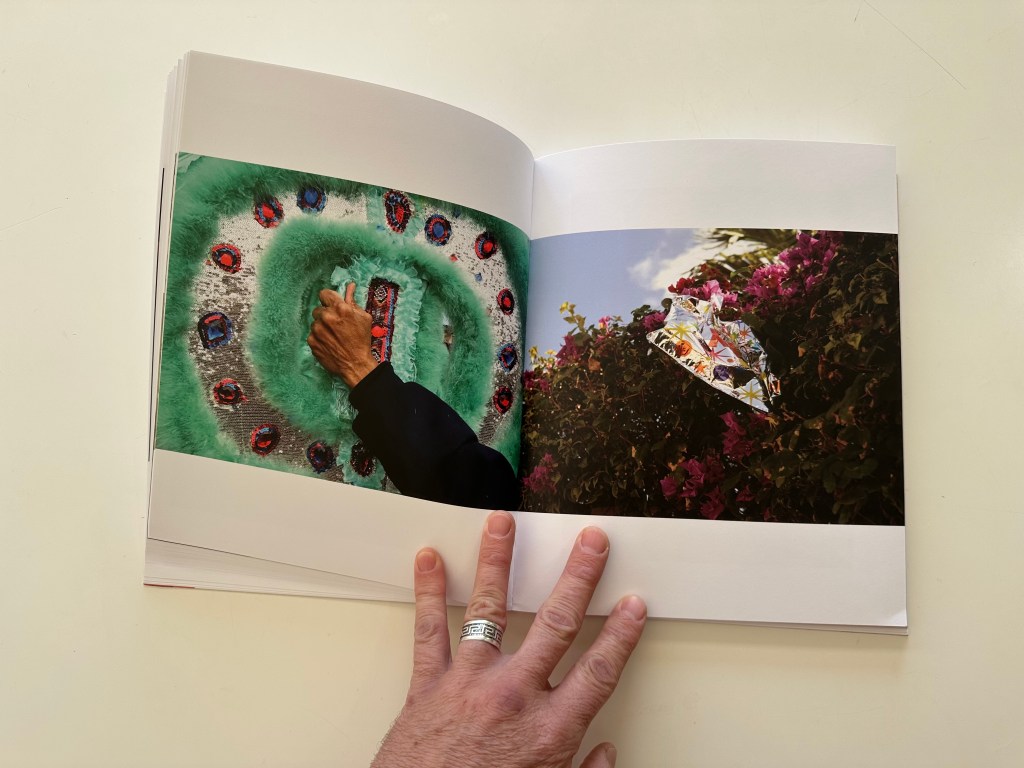
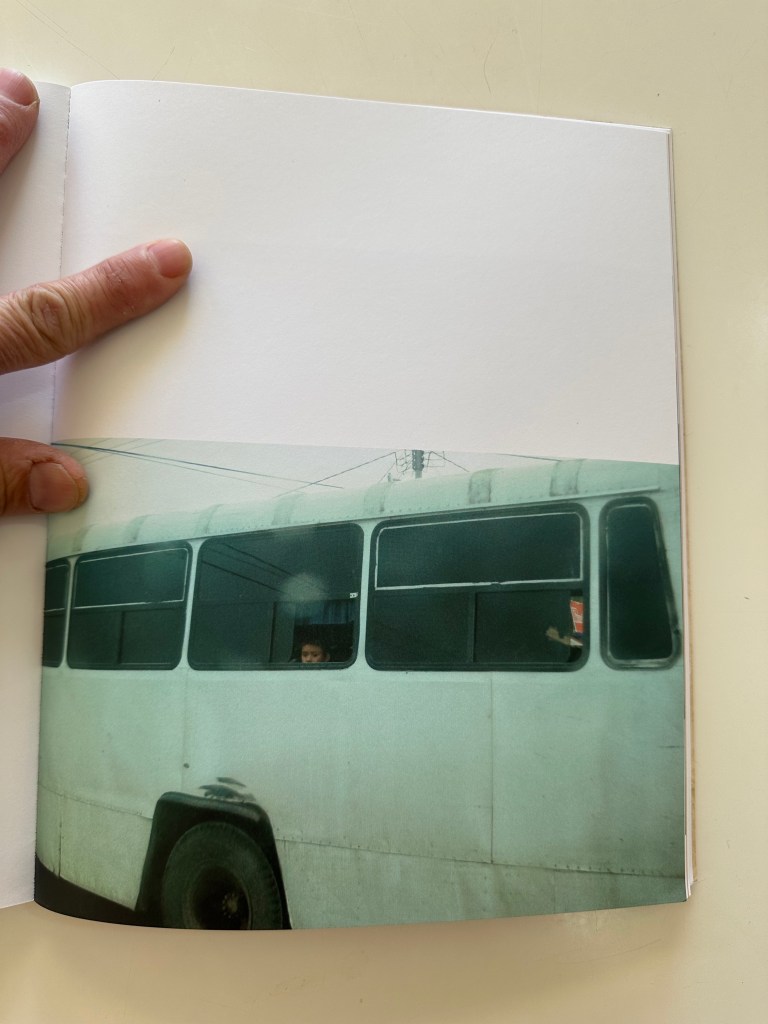
Frankly, this was the picture perfect book to get me interested in reviewing again.
It’s about the joy of seeing.
Two images, one with a blue cloth blocking part of a fishmonger, and the other, with various shades and textures of gold, on a car, and a tarp, stopped me in my tracks.


All the photographs are good, or very good, and some are just great.
The touch of a talented editor is evident too, (props to Cengiz Yar,) because the repeating motifs are there, and appreciated.
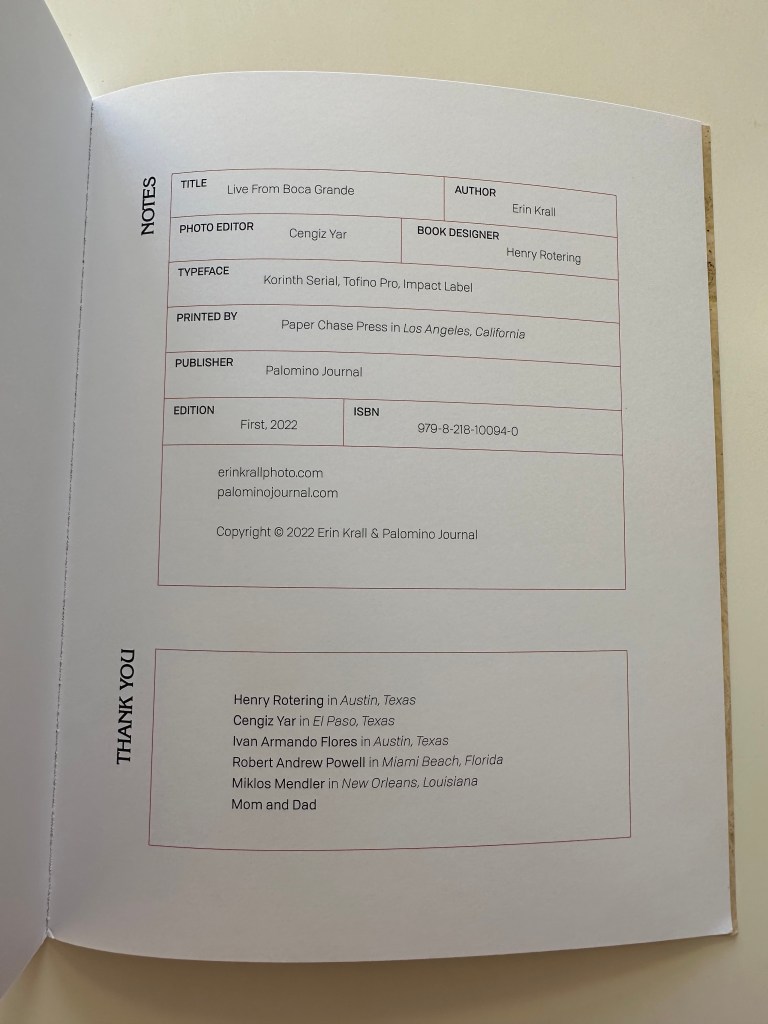
Shoes on the ground, certain angles coming back, exquisite color combinations, and the variation of verticals and horizontals.
All in all, this book, which Erin Krall self-published as Palomino Journal, is a breath of fresh, moist, tropical air.
She writes that the Tropics are known for Hurricanes, and tragedy, but this book focuses on joy.
As someone who’s lived in the severe, raw, high desert of the American West for 19 years straight, I could do with a little humidity.
Thanks, Erin!
Kudos to you and your team.
As to the rest of you… catch you next week.
-
Secret Recipe: Superfood Smoothies

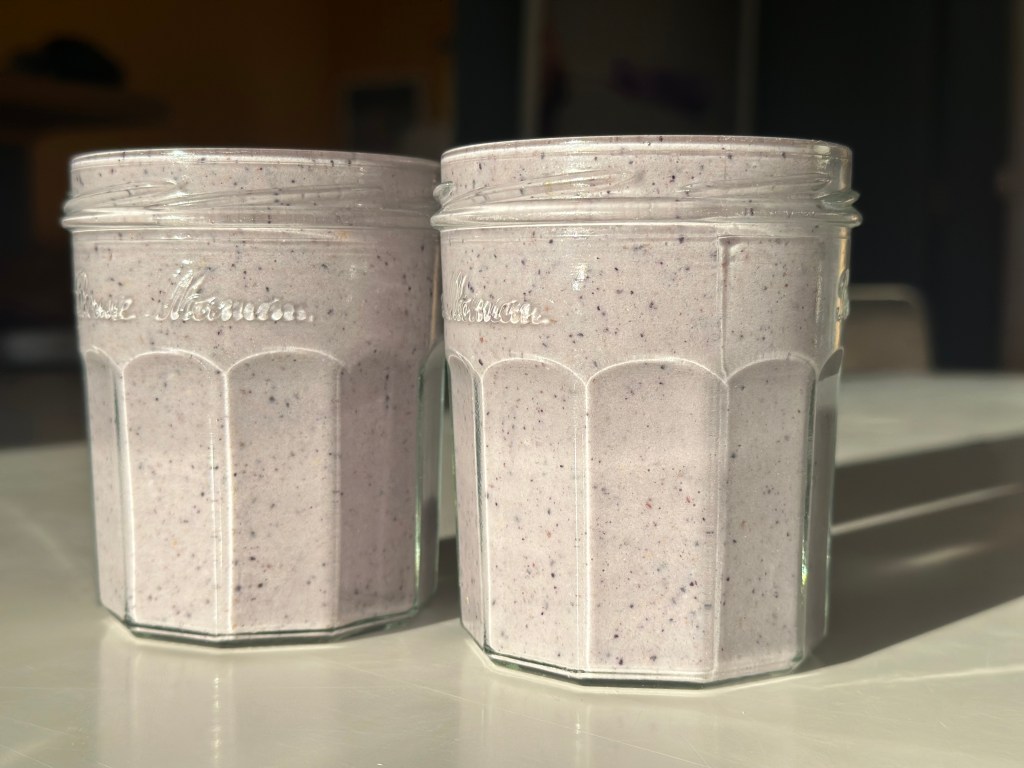
My health journey went exponential when I signed up for Brazilian Jiu Jitsu at the beginning of February, 2023.
(Having taken my free class at the dojo in late January.)
As I’ve written before, the cardio portion of the exercise is so intense, (frankly, it’s all intense,) that I lost about 40 lbs over the course of 8 months.
Looking back, it left me feeling weak, as I was also not eating a lot, to try to burn off my fat.
All that excess, dead weight.
By January 2024, I was living on Mr Goodbars, with their peanuts and crappy Hershey’s chocolate.
It wasn’t sustainable, and once I read the ingredients and saw they were using artificial flavor, I knew I had to move on.
Candy bars, intermittent fasting, and overtraining left me looking gray, and wan. (According to Jessie.)
What to do?
I couldn’t keep my weight on, much less add muscle to deal with the rigors of regular 3-4 days a week BJJ.
A little research, and it was clear: time for protein powders.
My sprained knee led me to the gym, where I’m now lifting seriously, 3x a week.
These morning smoothies, (which I began making 6 or 7 weeks ago,) have been the perfect tonic, in addition to 2x daily muscle milks I make.
As to the secret recipe we’re here to discuss…

Admittedly, it will take an outlay of about $100 to get started with these ingredients, and you need a Nutribullet, or decent blender.
But once you’ve bought everything, ingredient-wise, the smoothies are actually very affordable, given how little of each item is included.
Here we go:
With respect to portion, I make each batch for Jessie and me. (The kids get their own modified version now before school too.)
So it’s a 2-person recipe.
I start with 1-2 oz of water, and then add 5-6 oz of unflavored, no-sugar added Silk soy milk
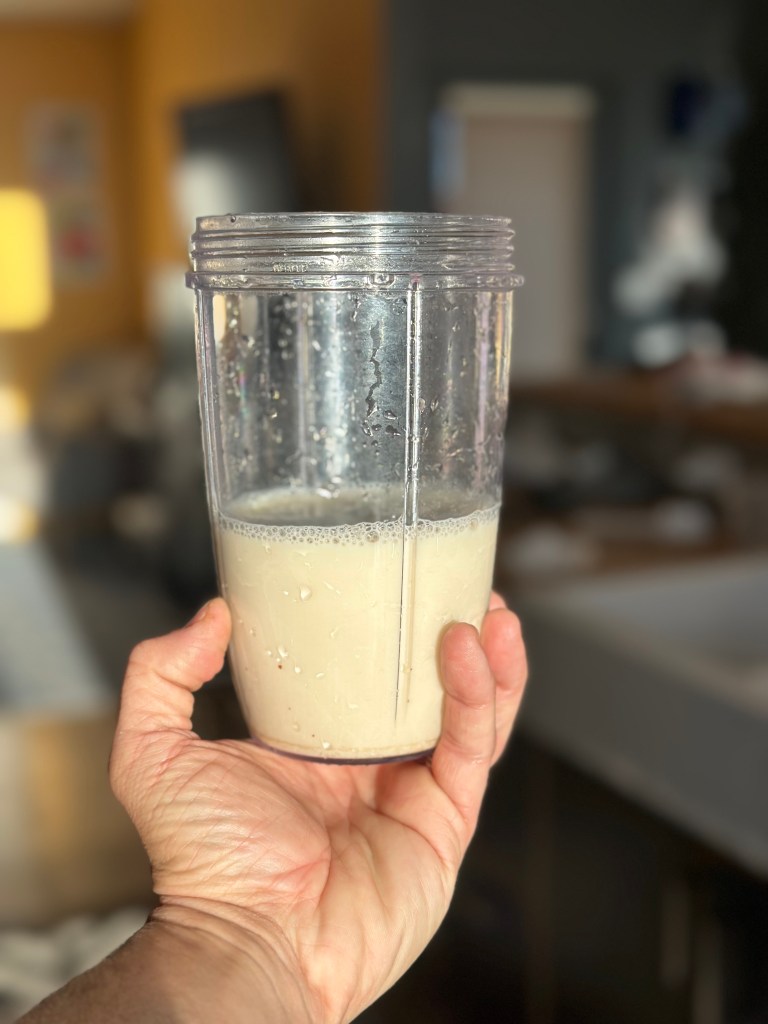
Then
1/2- 1 whole banana, depending on size
10-15 peanuts
1 T whey protein isolate
1 T pea protein
1 t collagen peptide
1/2 t flax seed
1/2 t chia seed
A few flakes of coconut
Several T frozen fruit mix (organic strawberries, blueberries and mango)
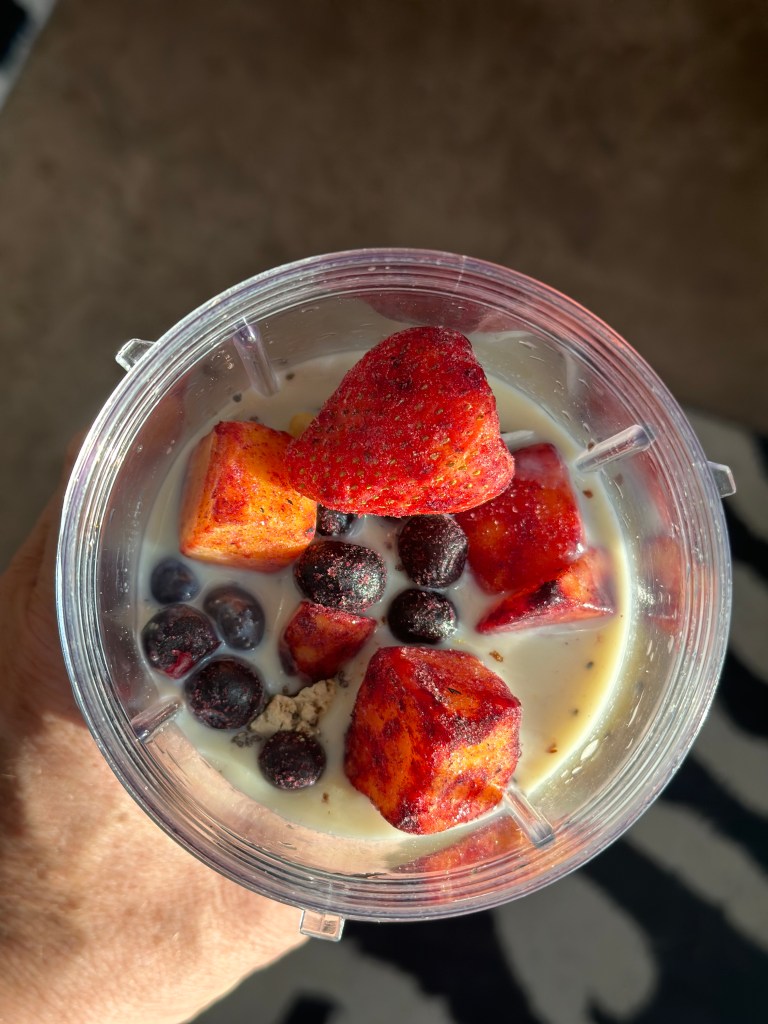
Then a last splash of water, and blend it up.
The whole process takes a couple of minutes, and sets us up for the day with lots of healthy protein, (of various sources,) omega 3s, vitamins, minerals, and even a little healthy fat in the coconut.
The collagen is meant to help with skin, but joints in particular, which aids with the lifting and BJJ. (It’s not vegetarian, though, so feel free to skip if it doesn’t appeal to you.)
They’re super-tasty, and very clean.
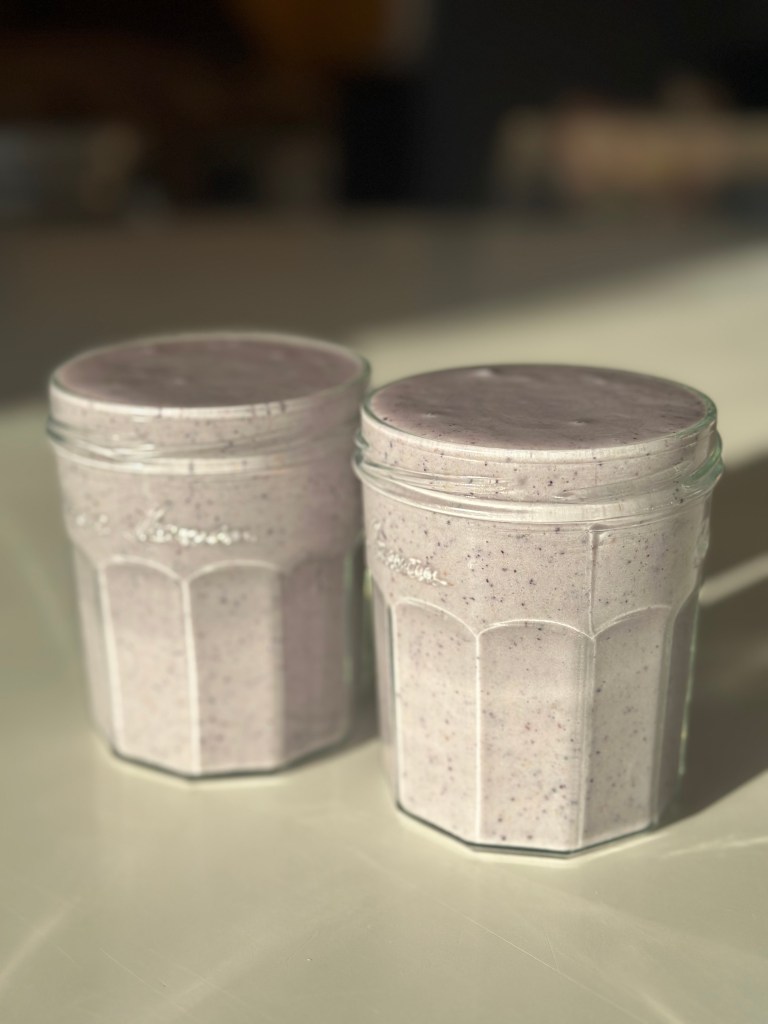
For the kids, I leave out the powders, substitute cow milk for flavor, and use almonds instead of peanuts, b/c of allergies.
The new routine has made a dramatic difference in our lives, as it stabilizes blood sugar, and sets us up for the day with great nutrition.
(The kids leave for school more relaxed now too.)
As for me, I’m up to a healthier weight, with more muscle, as the lifting and creatine I’m also taking have helped me put on about 10 healthy lbs since I bottomed out. (146 to 156.)
You might consider starting your day off with one of these as well.
Highly recommended!
See you Friday.
-
Photo Feature Friday: Daniel Gordon

A long time ago, I went to Madrid.
Alone.
It was 1997, and my first trip to Europe.
Each thing I saw was new, and mind-bending, but I was far from the suave, capable traveler I am today.
If there was a way to get it wrong, (without crashing and burning entirely,) I was likely to land on it.
So during my visit to the Reina Sofia Museum, I cocked up the entrance to Picasso’s masterpiece, “Guernica,” and got the exhibition backwards.
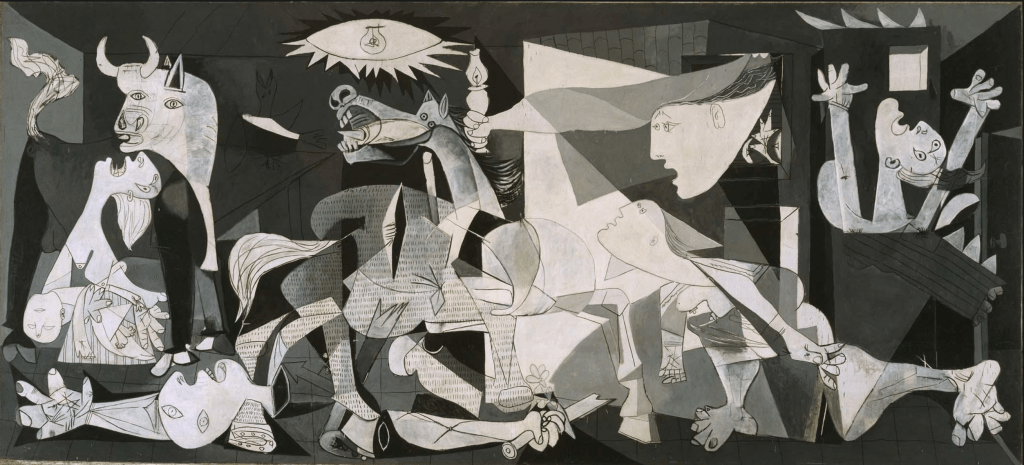
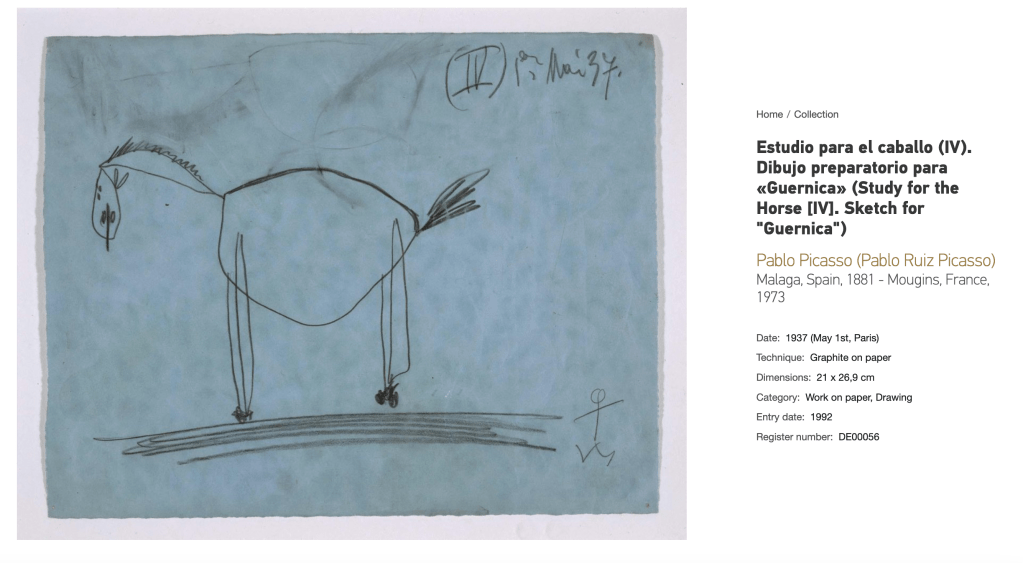
Geurnica, Pablo Picasso, courtesy of Museo Reina Sofia The curators arranged it so you saw his studies, all the work that went into the final piece, and then the finished article.
I came in the back door, (before I was an artist or a critic,) saw “Guernica,” and then marveled at all the effort that went into creating it.
The methodical, workman-like practice of a mad genius.

It stuck with me.
I’m reminded today, because I’m doing a photography article, (as you surmised from the title,) but there will be no interview.
Rather, this all came together quickly, and I’m glad it did.
Just the other day, I opened a PR email from Nazarian/Curcio, a gallery in LA, but not one I’d interacted with before.
It got my attention, as Daniel Gordon is one of the photographers who achieved proper art world success this Millennium, but I must confess I remember him for the wrong reasons.
Sometime 20 years ago, I saw work of him swan diving off of cliffs or bluffs in California.
(Like a latter-day Yves Klein.)
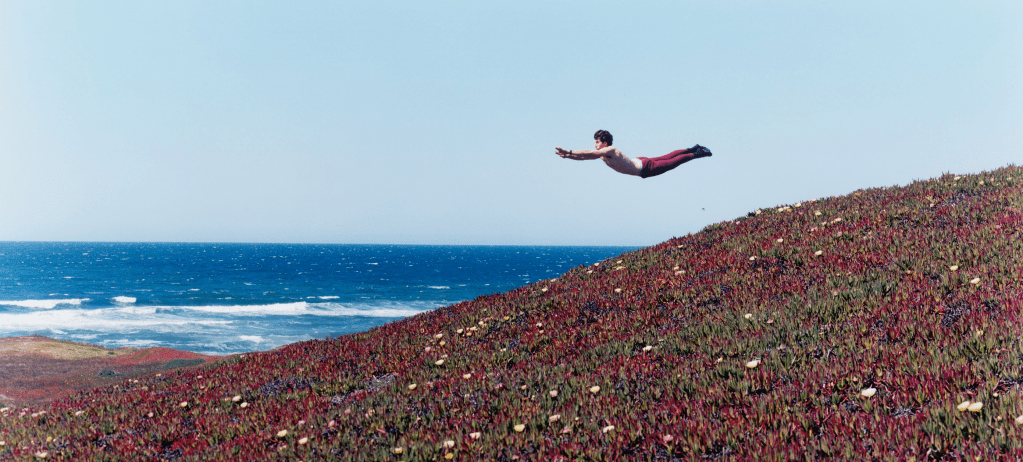
No Title #`13, 2004, partial image courtesy of danielgordonprojects.com At least I assume he was the subject, but I guess someone was photographed in mid-air.
It stuck with me.
(Looking now, I see digital, but must not have paid enough attention back then.)
That said, regardless of why I opened the email, once I did, I totally loved the picture they shared.
Colorful, vivid, trippy, engaging, off-putting, well-constructed, obviously constructed…
… I was impressed, for sure.

Medusa Plant With Artichokes and Root Vegetables, 2024. All images courtesy of Nazarian/Curcio There were no other pictures on the gallery website, so I took a chance, and requested a set to share with you today.
(In particular, because the gallery is opening an exhibition of the work next weekend.)
Fortunately for us, they said yes, and here we are.
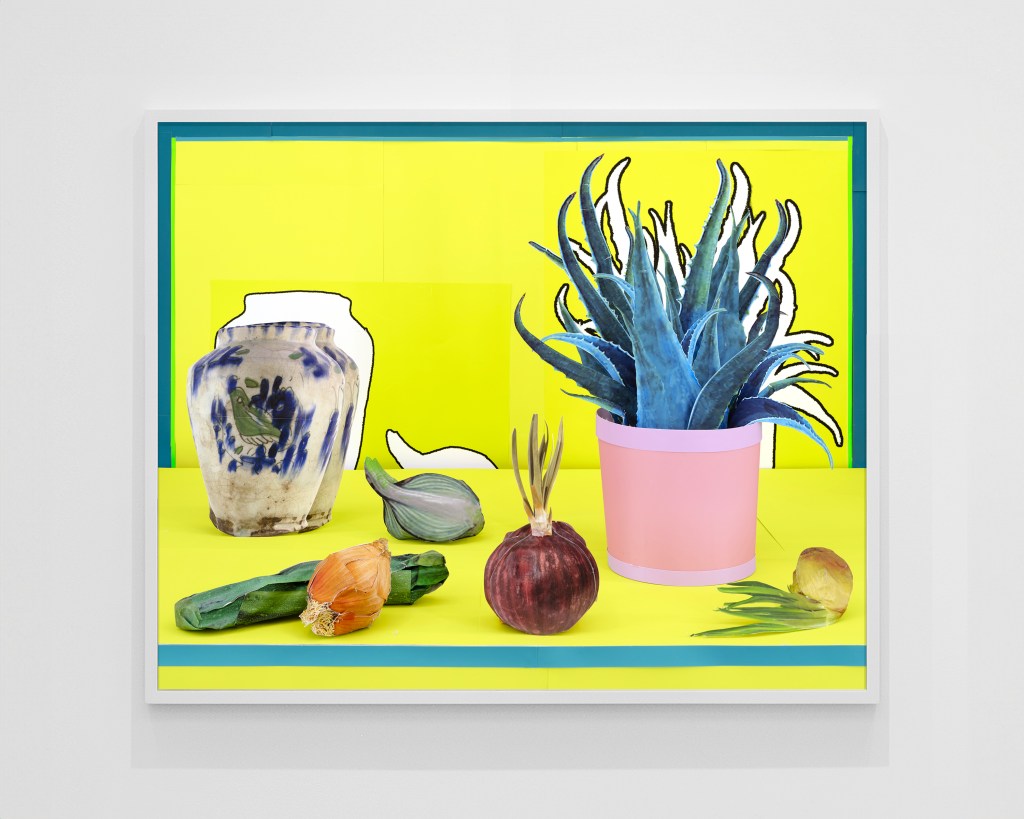

I loved the group even more than I thought I would.
They just feel so damn 2024.
What’s real, what’s fake, does it matter, how do we know, of course we have to know, what happens if we can’t tell, oh my god the colors are nice and I want to look at this, but something in the back of my mind is telling me that I should be able to tell what’s real and what’s not, but it’s so hard, it’s just so so hard to know, and should I care what I know and don’t know, you know?


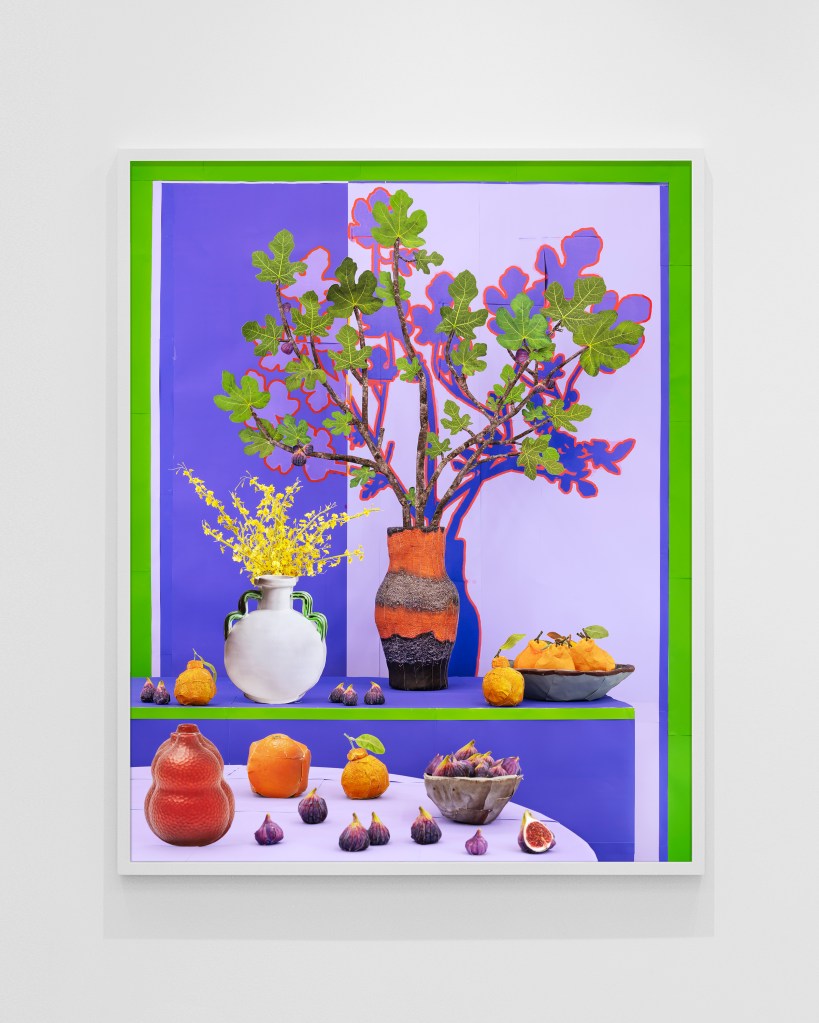
That’s what I got looking at the work.
I thought, this is quite a leap from the guy I heard of because he leaped off of things. (Or someone did digitally, anyway.)
Turns out, if you go directly to Daniel Gordon’s website, and click on photographs, you’ll see he’s been working like this, with constructions and manipulations, the entire Millennium.


This is his thing.
As I mistakenly got Picasso backwards, seems I did with Daniel Gordon as well.
Admittedly I scrolled, but still, looking at his evolution, I think this new stuff gets his ideas just right.
The formalism, color palette, symbol choice, it’s all snug.
(Gestalt effect for sure.)
So big props to Daniel Gordon for showing me photography in 2024 that feels like 2024.
If you’re around SoCal, Orange Sunrise with Flowers and Fruit opens on Saturday, April 20th at Nazarian/Curcio from 6-8 pm, and will be on view through May 25th.
-
I’m With Chuck: Bibi Out

Another Snowy Morning in Taos First things first.
All of my grandparents, and one of my great-grandparents, were born in America.
My family line has been here for more than 110 years.
That makes me pretty American, by any consideration.
I’m also Jewish, on both sides, and was raised in the culture and religion.
(Though begrudgingly on the Hebrew School part, like every other smart Jewish kid in America.)
When it comes to my identity, being Jewish-American doesn’t hit the day to day that much, with respect to religion or culture, as I don’t attend synagogue, pray in Hebrew, or make Jewish food on a regular basis.
So make of that what you will.
Being 50, the Holocaust was not-yet-30 years behind us when I was born, but my family was mostly insulated, as there were no bonds with the Old Country, and all the extended family lived in the US.
It was the defining event of Jewish life, though, having 6 million people exterminated.
But that was then.
Now, as I said, I’m 50, and the defining event of Jewish life has been the aftermath of October 7th.
Holy Shit, has this been bad for Jews everywhere.
Chuck Schumer came out against Netanyahu a couple of weeks ago.
He said common sense things, and it’s clear Joe Biden agrees.
Regime Change.
I last wrote about the Israel Hamas War a couple of months ago, and said Bibi should stand down.
But Chuck was far more forceful than I was.
Time for everyone to get some more skin in the game, I say.
So I will.
Israel: man the fuck up and oust your War Criminal President.
Enough is enough.
No matter what Hamas did, and it was beyond terrible, starving a powerless population to the point that aid groups are necessary is not acceptable human behavior.
(Not to mention starving them after bombing them.)
José Andrés and his World Central Kitchen are like the best people in the world.
They don’t only feed Gaza.
They go around feeding all crisis zones, and have done for years.
They had to organize food aid only because Israel is not doing it.
That crosses a red line of moral decency.
It’s not that the international lives are worth more than Gazan ones.
But when you start killing people who are trying to help the people you’re intentionally starving…
… it’s time to re-think the strategy.
Jews in the Diaspora are, and will be targeted because Israel is no longer acting rationally.
This may be just a blog post, but it’s also my voice.
My public vote.
I do not support Israel’s War in Gaza, as it is currently being fought.
If a cease-fire means that Hamas retains capability to harm, then Israel still has one more enemy.
No one, bar Putin and Xi, gets to decide when and where an enemy goes down.
(And if Trump comes back, we may have to add him to the list.)
Anyway, job done here.
Bibi out.
Israel, please stand up and do the right thing before the rest of the world hates Jews so much they start killing us again.
See you Friday.
-
Photo Feature Friday: Erin Hoyt

My life is rather different than a few years ago.
(If you’ve been reading the blog since the beginning, you know this.)
Or perhaps you’re new to Sunshine and Olly, but know my writing from previous incarnations at the NYT or APE?
If so, you might find it surprising I generate so little of my income from the photo industry these days.
After 20 years of making a go as a freelance creative, (photographer, writer, editor, teacher, professor, mentor, consultant, artist,) 2023 wiped that away, as it did to many of my colleagues.
Fortunately, I was a journalist covering the photo industry, so I was able to see the writing on the wall, and I’ve tried to pivot as best I can.
But the truth is, the Pandemic disturbed life, society, industry, and individual career trajectories far more than most of us fully realize.
For years, I was fortunate to travel to photography festivals around the US, meet with artists, share feedback about their work, and then publish the best of it in my weekly APE column.
But that was then.
At this point, it’s been a year since I went to Oklahoma for HuffPost, so those jet-setting days are a distant memory.
Looking back, of all the festivals I attended over the years, I became closest with the team that runs the Filter Photo Festival in Chicago.
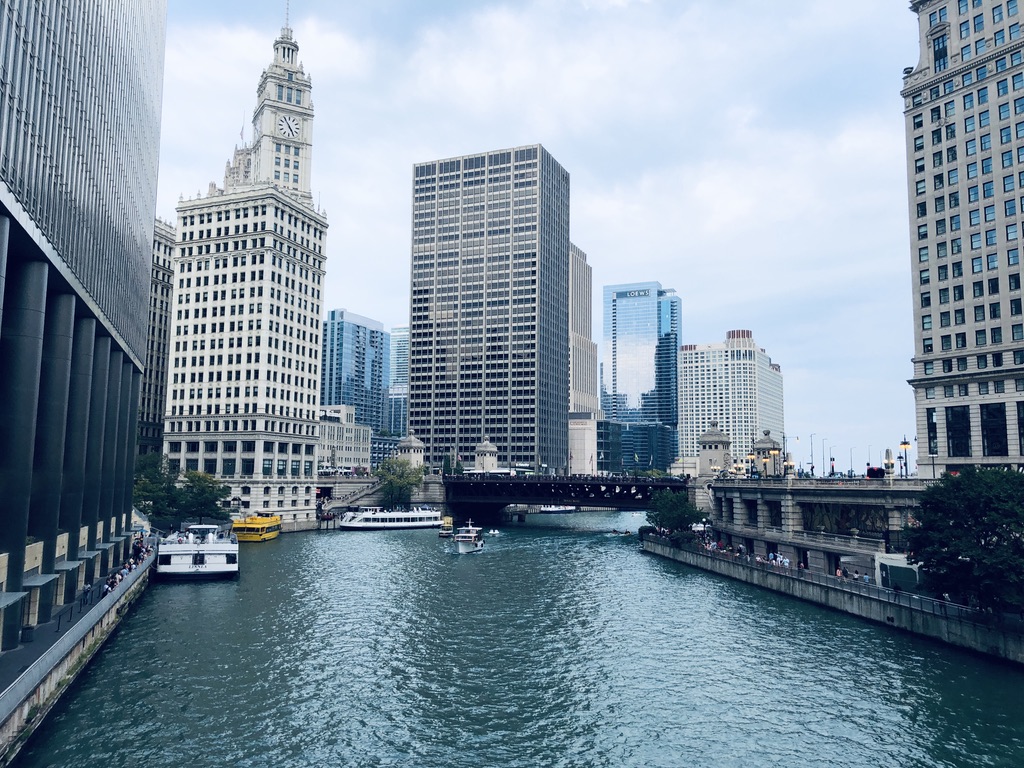
Downtown Chicago, 2022 I attended, as a portfolio reviewer, in 2015-17, 2019, online in 2020, and then in-person in 2022.
(Seven times, all together.)
As I said, sometimes it seems it happened to someone else, but there were so many nights I ran around Chicago, hitting up great bars, listening to amazing music, laughing my face off.
Life is more complicated now, but I spent enough time in the Filter-verse to vouch for the experience they create once a year, and the artistic support they provide to the Chicago photo community year round.
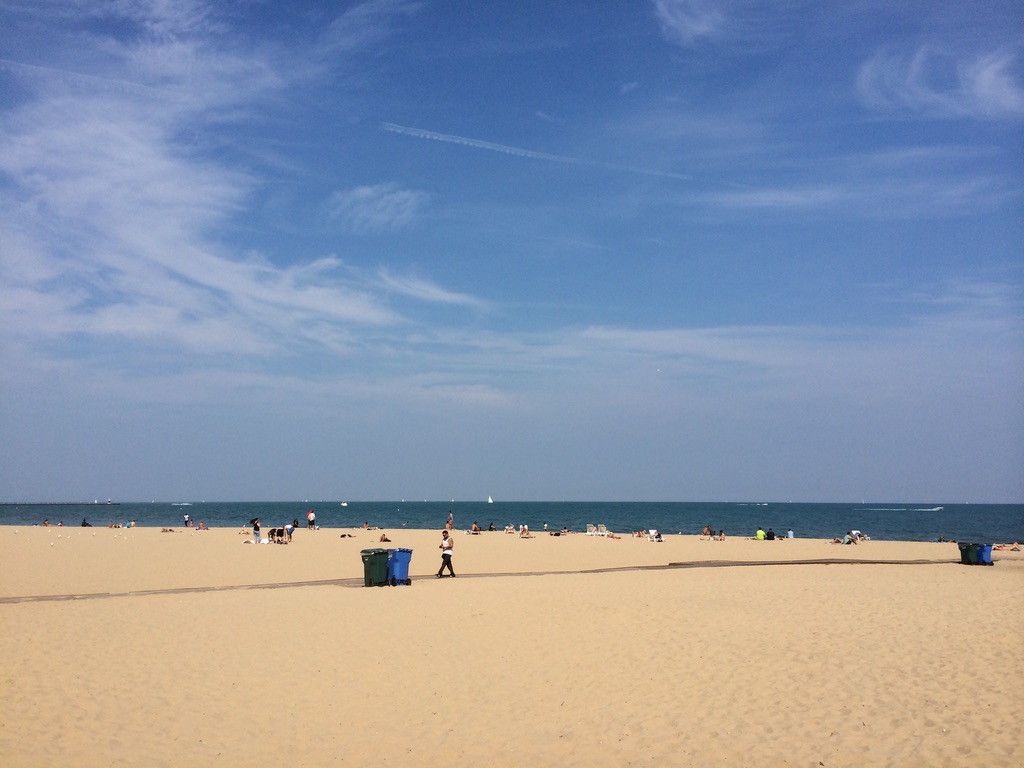
Lake Michigan Beach, 2016 
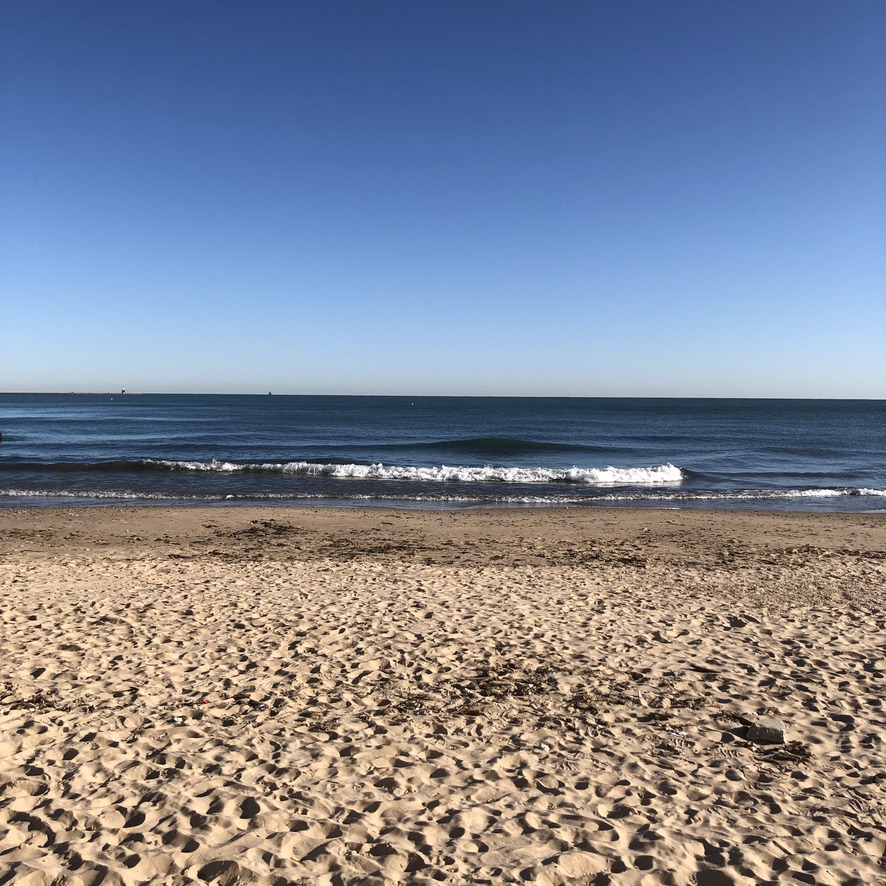
Earlier in 2024, Erin Hoyt, (who was Director of Operations forever,) stepped into the Executive Director role formerly held by Jennifer Murray.
Erin and I go way back, and seeing someone promoted from within made me happy. (She’s also a successful wedding photographer.)
Even in tough times like these, Festivals are the industry’s lifeblood, as they offer people the chance to exchange creativity and positive energy.
Networking, idea generation, inspiration, joy… they’re all possible, if you hit the right spot with the right intention.
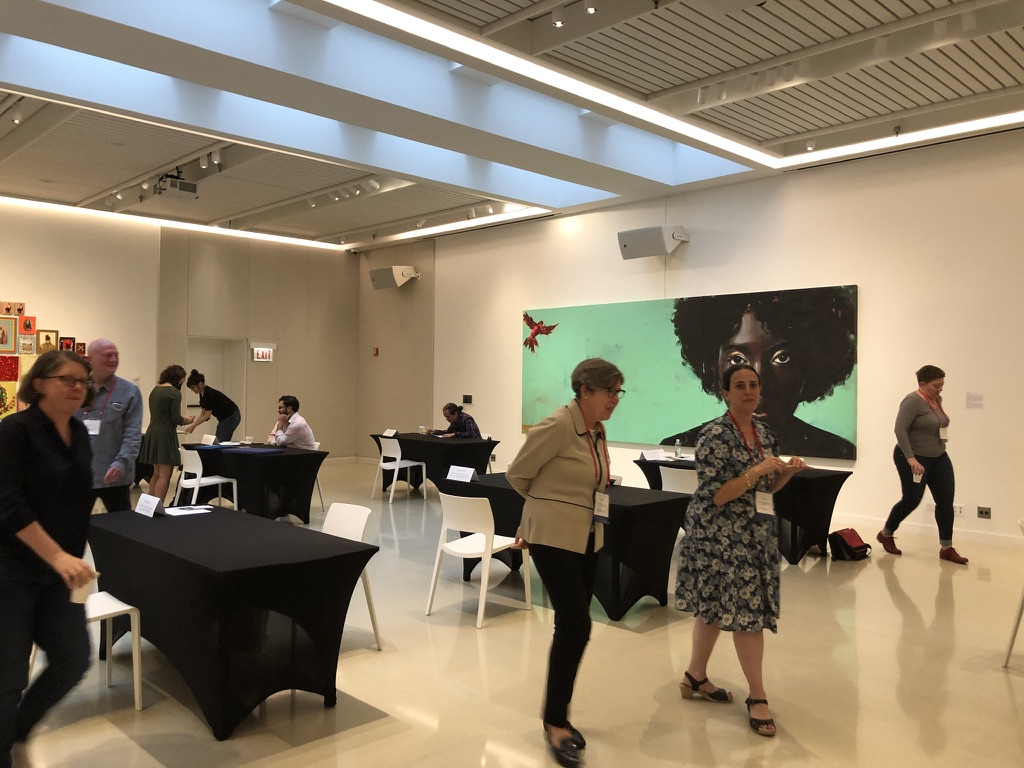
Reviewers Break at Filter, 2022 With that in mind, as I’ve decided to focus Fridays on the photo industry again, (as I did for 11 years,) I wanted to check in with Erin, to see how she plans to take Filter deeper into the 2020’s.
Thanks for taking the time, Erin! And best wishes to your husband, curator Greg Harris, as well. (He’s mentioned in the interview, so here’s your context.)
Jonathan Blaustein: I know you’ve been with Filter for more than a decade, but you’ve only recently taken on the Executive Director duties for the first time.
Since you’ve got such a deep perspective, how would you describe Filter as an organization, and how important is the annual festival to your mission?Erin Hoyt: Yes! I recently stepped into the role of Executive Director, and previously served as Director of Operations for over a decade. I do think it has uniquely positioned me to see our organization’s growth over the years, and where I believe we could push further and expand.
Filter Photo is an organization that was created by artists, for artists, that focuses on professional practices for fine art and documentary photographers.
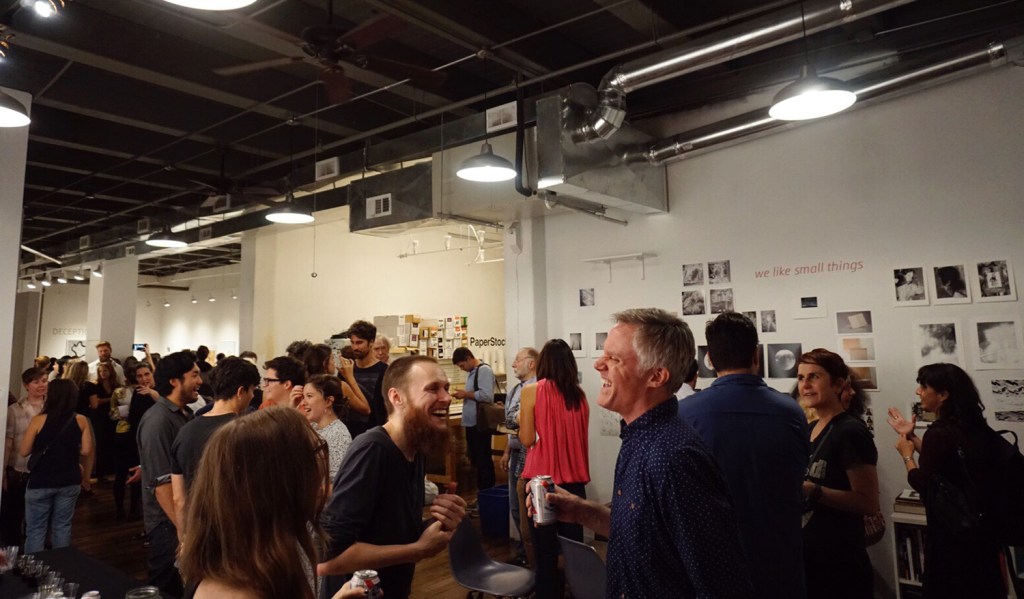
Festival images courtesy of Filter Photo Festival With our year-round programming and exhibition opportunities, we see our mission to be a resource for artists through critique groups, exhibitions, workshops, artist talks, and other diverse programming centered around contemporary photography.
The annual Festival held each September in downtown Chicago hosts a robust week of programming, including portfolio reviews, workshops, exhibition receptions and more! We see the Festival as an annual gathering to celebrate photography, to support the photographic communities, and highlight Chicago as a vital center of the national photographic community.
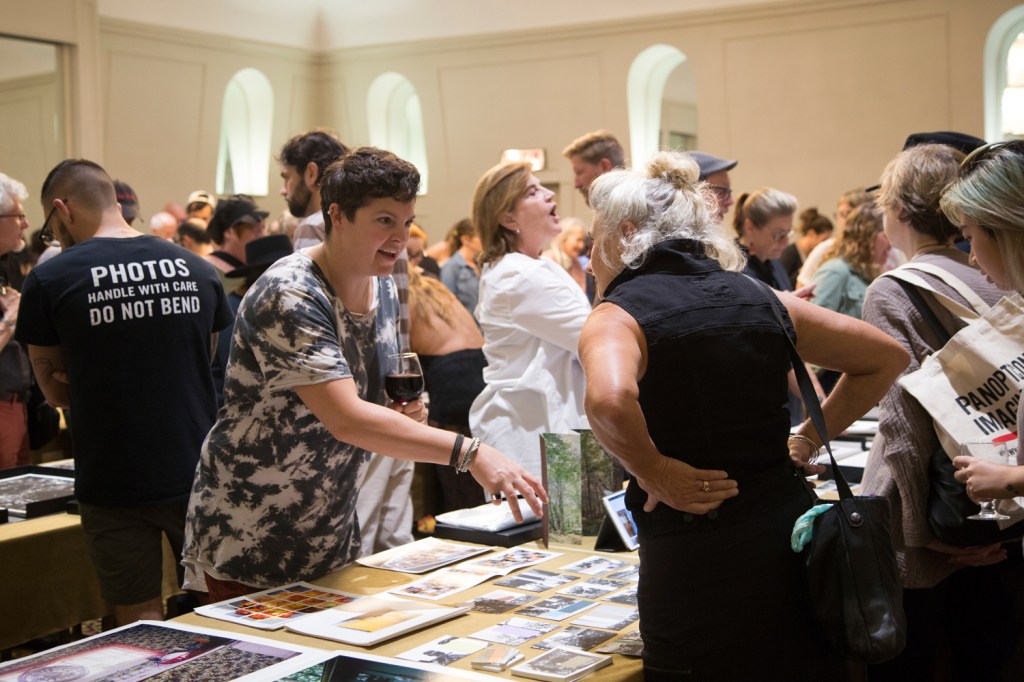
JB: In my travels, I always felt festivals that capture the local culture, and share that with attendees, were my favorites.
Chicago is such an amazing city, though its vibe is perhaps less-well-known than New York or LA, America’s other mega-cities.
Blue collar, down to earth, big people, immaculate architecture, friendly folks.
What are some of your favorite things about Chicago, and what do you think makes it special?
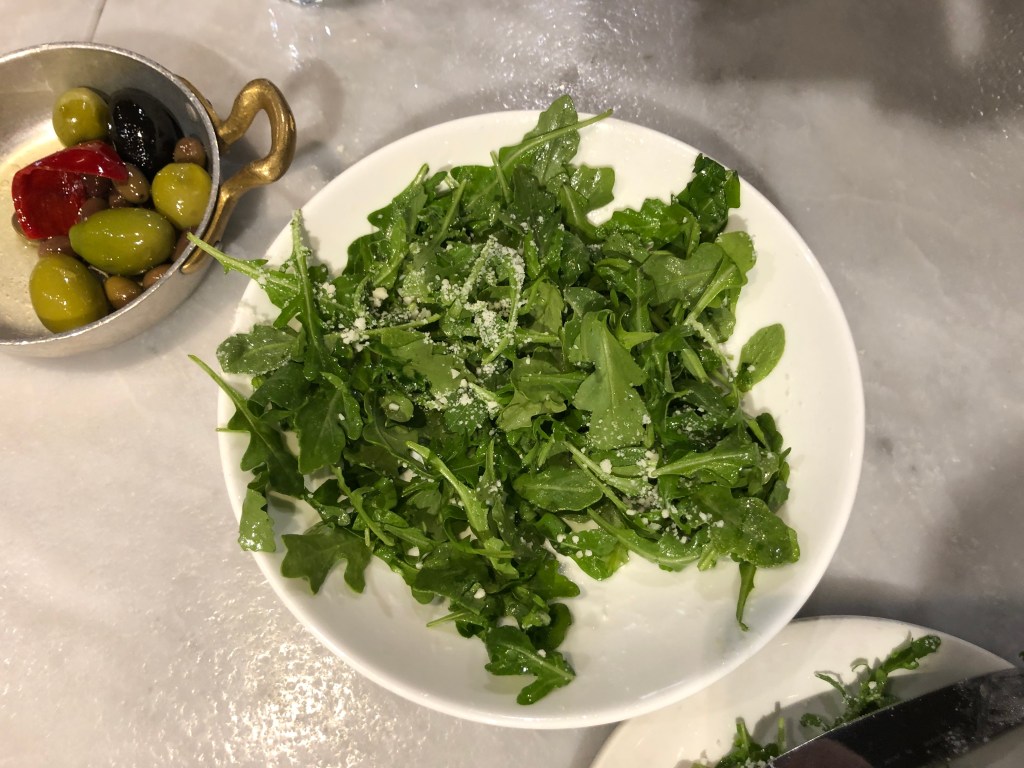
Arugula Salad and Olives at Eataly, 2022 EH: I grew up in Michigan, so Chicago always felt like a second home. It’s great because it has everything you would want from a big city, without the grind.
And the food scene here is incredible.
If you visit, be sure to check out the local neighborhoods, and venture outside the downtown area. I love Cafe Lula in Logan Square, and if you hit The Girl and the Goat in West Loop, your tummy will thank you.
If you’re into breweries as much as Greg and I are, Uptown has a great cluster to keep you busy. In the summer, take advantage of the city’s free concerts in the Millennium Park, and its sprawling lakefront beaches with a dip in Lake Michigan.
Honestly, there is just so much to see, do and eat in this magical city.
Filter is hosted downtown, within walking distance to the all the museums, parks and the lakefront. (Being centrally located allows our attendees to really explore and engage with Chicago.)
The local art scene is also vibrant and collaborative, and we like to show this off by offering curator’s tours of exhibitions, print viewings from museum collections, and a gallery walk in West Town’s arts district.
JB: In my column at APE, as I was wrapping things up in my time there, I remember specifically mentioning that Filter had strong relationships with Chicago’s local art schools, (Columbia College, SAIC…) and it allowed for a youth pipeline that seemed to keep the energy fresh.Do you think that’s a fair assessment, and is it something you’d like to continue going forward?
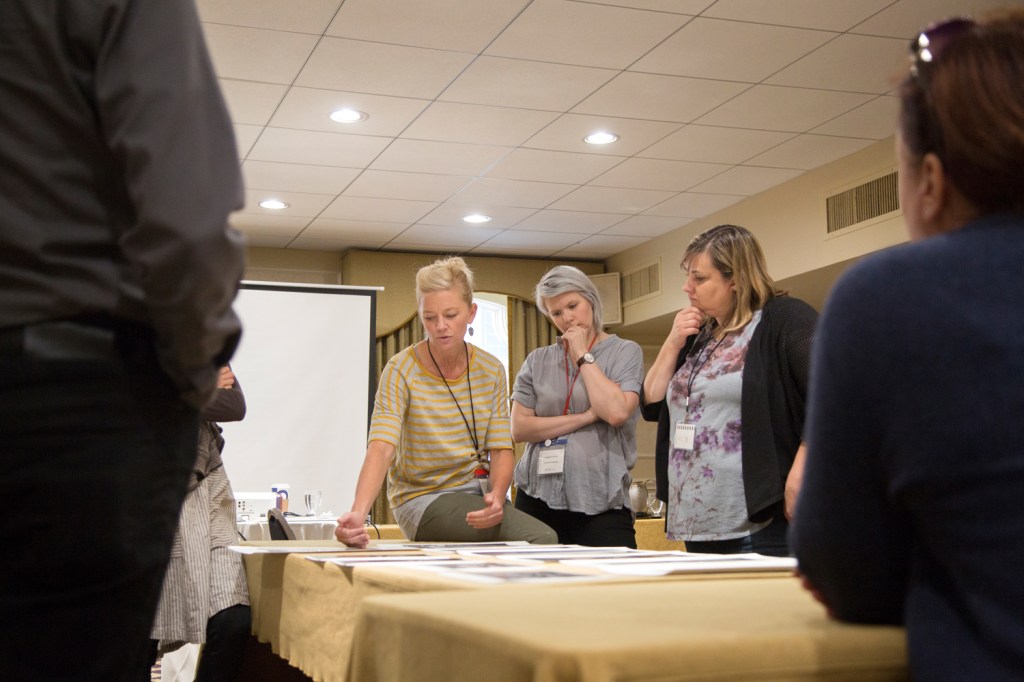
EH: We’ve always prioritized engaging with students during the annual Festival, and this year we will be headquartered at Columbia College Chicago’s Student Center for reviews, workshops, and artist talks.
Unlike other Festivals, most of our programming is free and open to the public. Hosting our events at the Student Center allows us to engage with students, while remaining to be open and accessible to all of our attendees.
We also offer student scholarships for high school and college students to cover the costs of attending the reviews.
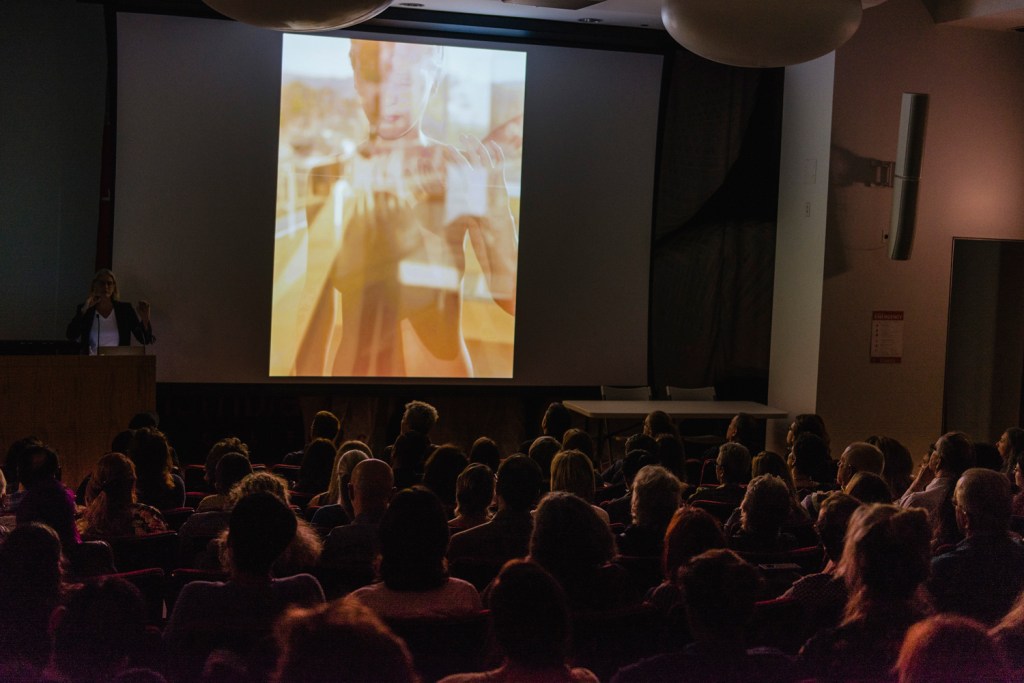
JB: Are there any particular ideas or agendas you’d like to pursue, now that you’re occupying the leadership role?
EH: Reengaging with audience, and showing the value of in-person gatherings is a focus as we lead up to the annual festival.
At Filter Space, (our gallery,) we continue our mission to build it into an open center for photography through our exhibition schedule and social, educational, and professional development activities. Looking forward, we’d like to expand the year-round programming, and include more community focused events through exhibition tours, in-person critique groups, and book club.
Filter is also currently planning to open an artist-in-residency program that would offer programming and exhibition support to contemporary photographers.
JB: Finally, I’ve reported here on many occasions how hard it is these days, in the photography industry.
So many jobs lost and resources cut from the scene.
But I’ve always been positive about festivals as a way to bring people together.
Are you optimistic about the future of American photography, from your perch atop one of its most important festivals?
EH: I’m very optimistic about the future.
With programming now being offered online and in-person, people can choose their own adventure, and it’s allowed for a wider audience to participate.
I agree festivals are a great way to bring people together.
In my opinion, you can’t beat the opportunities and relationships created that in-person gatherings provide. We aspire to bring artists and patrons together to celebrate photography, and walk away with connections that expand their resources and community.
-
Big Thoughts On A Cold Morning

I just pulled on a sweater to fight the chill.
Because it’s 26 degrees outside.
Cold, gray, with patches of snow on the ground, after the last few days of storms.
We’re ending our fifth month of Winter here in Taos, and if you’ve been reading Sunshine and Olly since its inception, you’ll know it’s a year-time that makes people batty and bitter.
Not only because we’re five months in; worse, there’s still a month to go.
It’s super-unpleasant outside If one skies or snowboards, it’s heaven.
(I used to, and back then, it was all good.)
Now, though, being cold for this long makes me ornery.
And being stuck inside gets me thinking.
After my morning smoothie, and a bit of marijuana, I got to musing about the state of the world in 2024.
(As one is wont to do in such situations.)
The Russia-China alliance is the biggest thorn in the side of The West these days.
And it only hardened once we began spending untold billions to defend Ukraine, which we absolutely had to do.
(Good bless those tough bastards.)
But Russia and China are uneasy bedfellows; two superpowers who share a long border, and equal global ambitions.
Those two get along about as well as the US and the USSR did, when we were allies in WWII.
Hard for the youngins’ to believe, but we were allies in war, and then on opposite sides of the Cold War, once the spoils were divided.
(It’s how the Soviet Union got Eastern Europe and split Germany.)
Meanwhile, we’ve been cozying up to a blatantly racist and potentially genocidal India, a hedge against China, which I also get.
We have to do it, in the world of realpolitik.
But isn’t the smarter play to try to divide Russia and China?
How do we go about doing that?
Better yet, let’s look at how America built allies the last time the world was this uncertain.
The ashes of WWII gave us The Marshall Plan, in which America helped rebuild Germany and Japan, committing both nations to peace for the past 80 years.
Only now, they’ll each have to build up militaries again, to counter Russia and China.
And speaking of Marshall Plans, given that the US can literally print money, and we have spent billions of subsidy dollars on bombs in Ukraine and Gaza…
…how about a Marshall Plan to end homelessness in the US?
A New-Deal-style project that just says, we’re going to do it.
We’ll spend what it takes.
Americans deserve better than to die on the street of fentanyl addictions.
Baking in stinky tents.
By the millions.
Or 20-somethings, for whom living in their cars or vans is just normal.
What if we collectively as a nation just said, “Come on, America! We’re better than this!”
We’re going to have to build a whole new bridge in Baltimore, at the fucking port from “The Wire,” so maybe it’s time we rebuild our national pride, left and right.
And find or build housing for everyone.

RIP Frank Sobotka and the FSK Bridge (image courtesy of Indy100) OK, I’m done.
See you Friday.
-
Subscribe
Subscribed
Already have a WordPress.com account? Log in now.
 Sunshine and Olly