-
Special Recipe: Pickled Jalapeños and Carrots

Yesterday’s post struck a chord.
Good. I’m glad.
Enough with the articles saying the economy is fine, and everyone is fine.
Persistent inflation means everything costs more, and higher interest rates mean servicing credit card debt costs more.
Buying a house, or a car, costs more.
Taking out any kind of loan at all.
It means we all have to learn how to make our dollars work harder.
Find value where we can.
So today, I’m going to share a recipe, (and technique,) that will allow you to take the humblest plate of cheap, microwave nachos, and make it special, and gourmet.
That’s right.
We’re gonna chef it up, (for very little money,) and if you’ve never pickled before, you won’t believe how easy it is.
The Mexican pairing of pickled jalapeños and carrots is one of those perfect combinations.
The carrots give sweet to the peppers, which offer heat to the carrots.
The salt and sugar in the pickling liquid bring seasoning, while the vinegar allows for the kick, and preservation.
These bad boys will keep in your fridge for a while, so one batch will make many plates of happy nachos.
Or tacos.
Even quesadillas are perkier with the pickled veggies.
(Like Chicagoans eating giardiniera on their pizza)
So here’s how it goes:
Wash, then slice up a bunch of jalapeños and carrots.


Put them in a pot, and add about 1/3 cup of sugar, and slightly less salt. (Give or take. You can add later.)

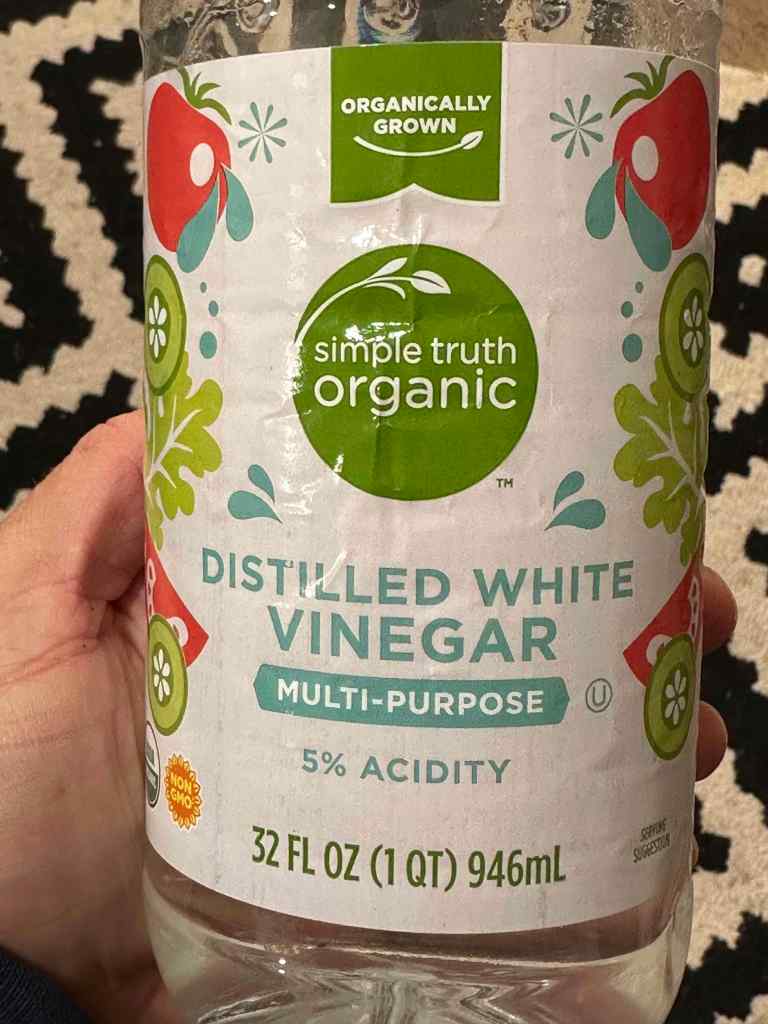
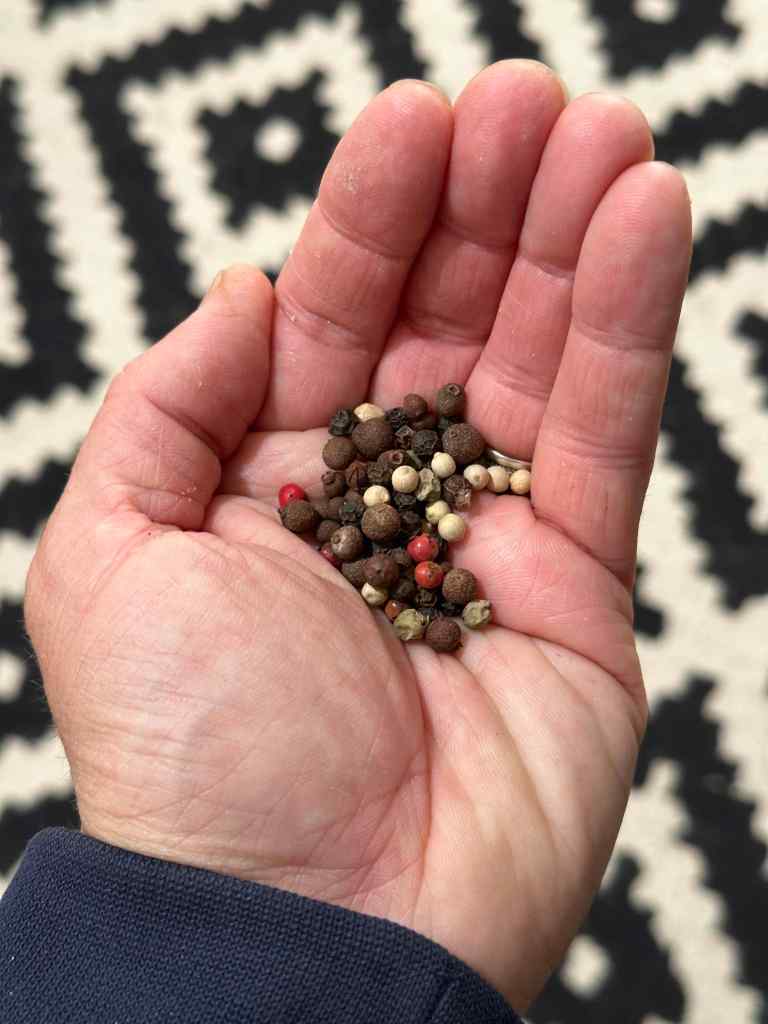
Then put in about 3/4 cup of distilled white vinegar, and a shot of rice wine vinegar. Include one handful of peppercorns, and then fill the pot with water.
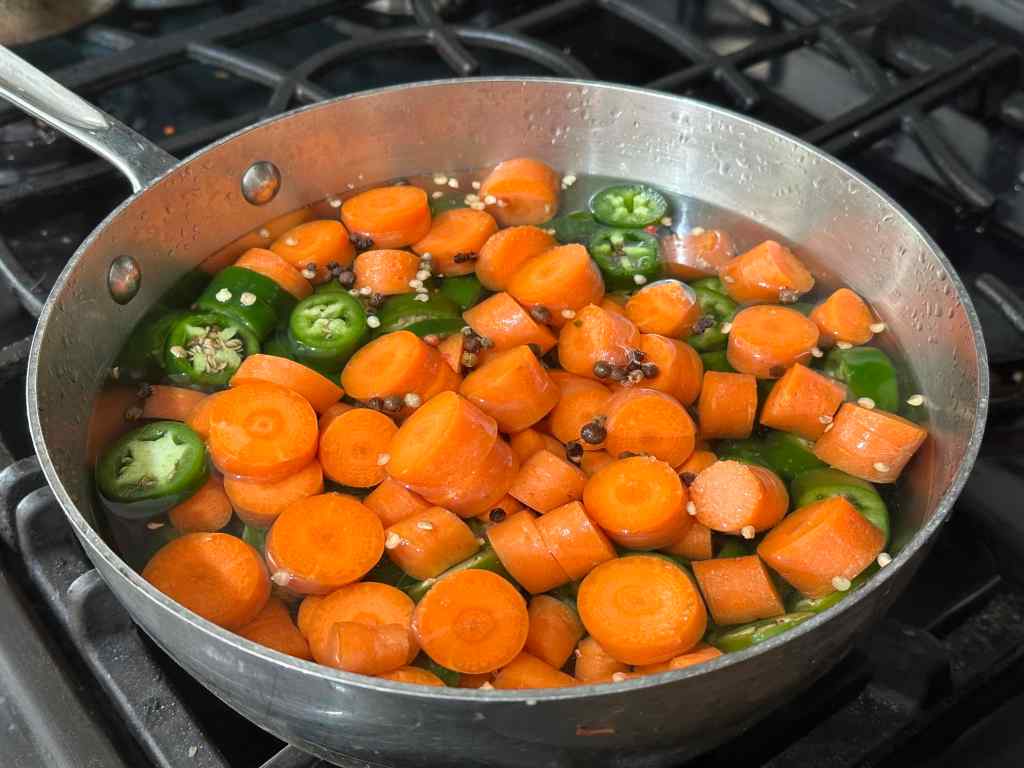
Cover, and bring it to a high simmer. Just before a boil.
Leave it for about 8-10 minutes, or until the color begins to fade.
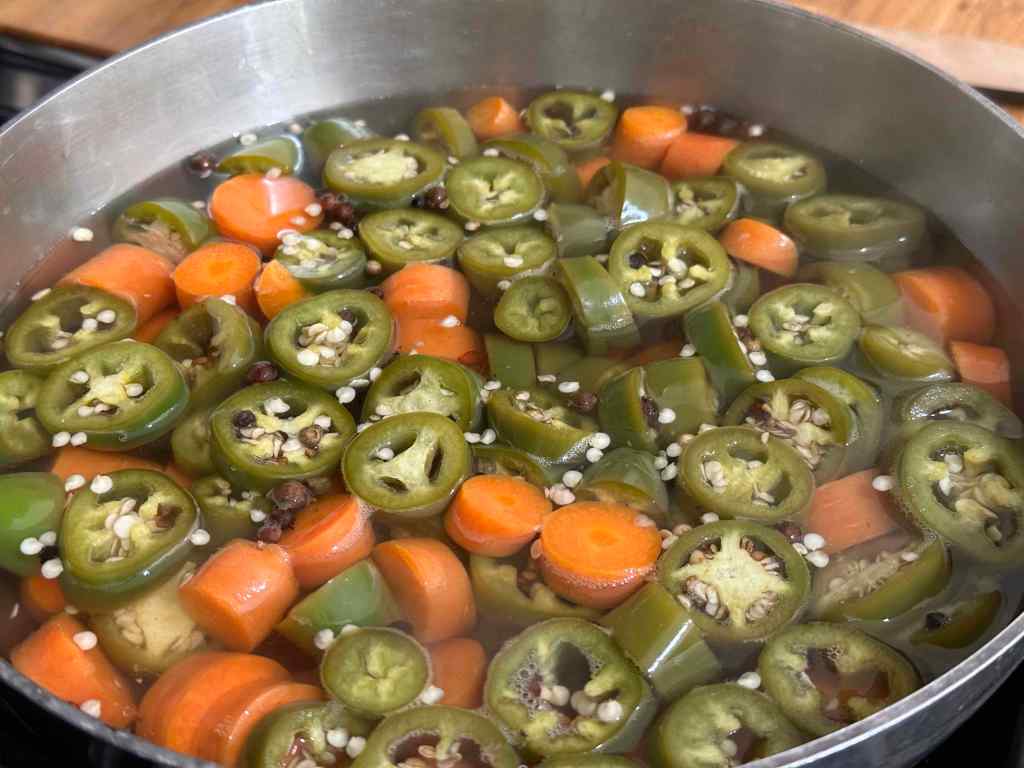
Taste, and see if it needs more flavor, in the form of sugar or salt. (I added some.)
Turn off the heat, let it sit for another 5 minutes, then transfer to a container, and put in the fridge.
You’re done!
I used mine for nachos, which were as simple as can be.
Decent Mexican brand corn chips, canned red pepper-flavored beans, shredded Mexican cheese.
That’s it.
Three ingredients, but when you add the pickled jalapeños and carrots, it’s much more special.
Healthier too.
And the chiles and carrots, in bulk, are super inexpensive, as is vinegar, salt and sugar.
Hope you push your culinary limits and try this out.
Catch you next time!
-
My Intelligence Is Not Artificial

I’m trying to find a rhythm for this blog.
(Don’t think I’ve fully got it yet.)
At first, of course I hit you with plenty of content, because I was launching the site.
It’s an action-oriented phase, the beginning of something. And when you put ALL the effort into social media promotion, it begins to feel like a proper project.
But proper projects are work.
As an artist/writer/journalist/editor, making things is how I pay the bills. (Or teaching people how to do it, anyway.)
Lately, though, I can’t go a day without the media, (my sometimes employer) telling me that Artificial Intelligence is coming for photographers, and journalists.
Hollywood writers are on strike, b/c AI is obviously going to write scripts, but then The Taos News had an AI stock photo published, THIS WEEK, and I just read an article, THIS MORNING, about an AI girlfriend, who’s raking in (actual) money.

The image is credited to Shutterstock’s AI Image Generator The future is here.
It has arrived.
And it’s scary as fuck.

Courtesy of The Washington Post
Now, I don’t want to suggest I’m in a tizzy all the time.
I live in nature.
I’m a Dad with a wife, two kids, and four dogs. Living life, teaching them, leading, loving, it takes a lot of time and energy.
And I smoke plenty of medicinal marijuana.
But the last time my work dried up like this, as quickly, was when the Great Recession and digital camera revolution dovetailed, in ’08-’09.
I had a small digital photo studio here in Taos, and did a bit of everything, to make sure I’d be economically resilient.
Printing, scanning, shooting, retouching, I did it all.
And all of it dried up, within a few months, when the world fell apart.
This feels similar.
Not only are people hurting financially, because of years of inflation, (and now persistently high interest rates,) but they’re also freaked out, simultaneously, about The Terminator being, you know….
Courtesy of Rotten Tomatoes REAL!!!!!!
While I may not have figured out the rhythm for this blog yet, I felt a huge urge to write just now…
…so I did.
Maybe that’s the way forward?
-
The World’s Best (Vegan) Soup?

Hi Everybody.
How’s it going?
Did you miss me?
It was the first significant break since I started the blog.
Luckily, yesterday, I decided to bank my creative-writing-energy for today, and instead used the morning’s energy-juice to make what may be the world’s best (vegan) soup: JB’s Coconut Dal.
There. I said it.
And the best part is: the soup is so good, you won’t care it’s vegan.
(The Earth and health benefits are a side-benefit.)
If you make this soup, and it turns out well, you will thank me.
Because it’s the kind of thing you can eat off for days, constantly absorbing the nutrients.
Let’s get to it.
There are there basic components to this dish.
The sofrito (or vegetable flavor base)
The red lentils (which turn yellow)
The liquid base (in this case, veggie stock, water and coconut milk)The Sofrito:
First, cut the best part of two leeks into three inch chunks, then cut those in half. (As cross sections.)
Fan out the leeks and wash them very well.
Then wash them two more times.
Heat up a big stock pot, add extra virgin olive oil, and sautée the leeks on medium heat, adding salt and cracked black pepper.
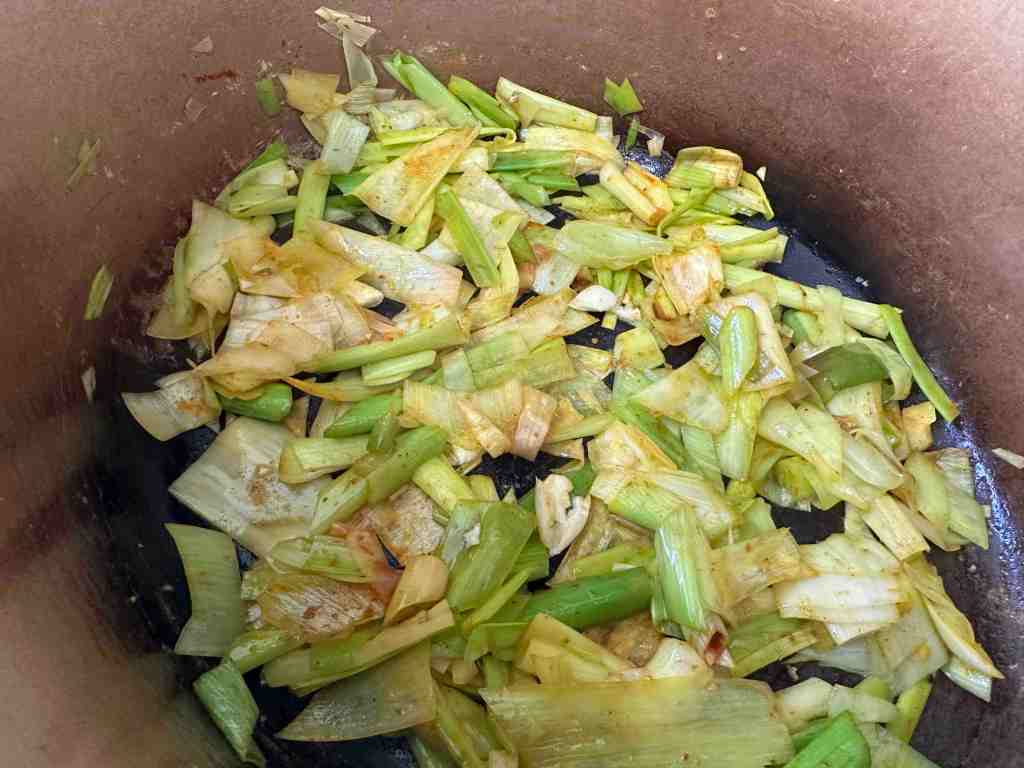
Because it’s a good idea to toast spices, I like to add them here, so they toast, and cook with the leeks.
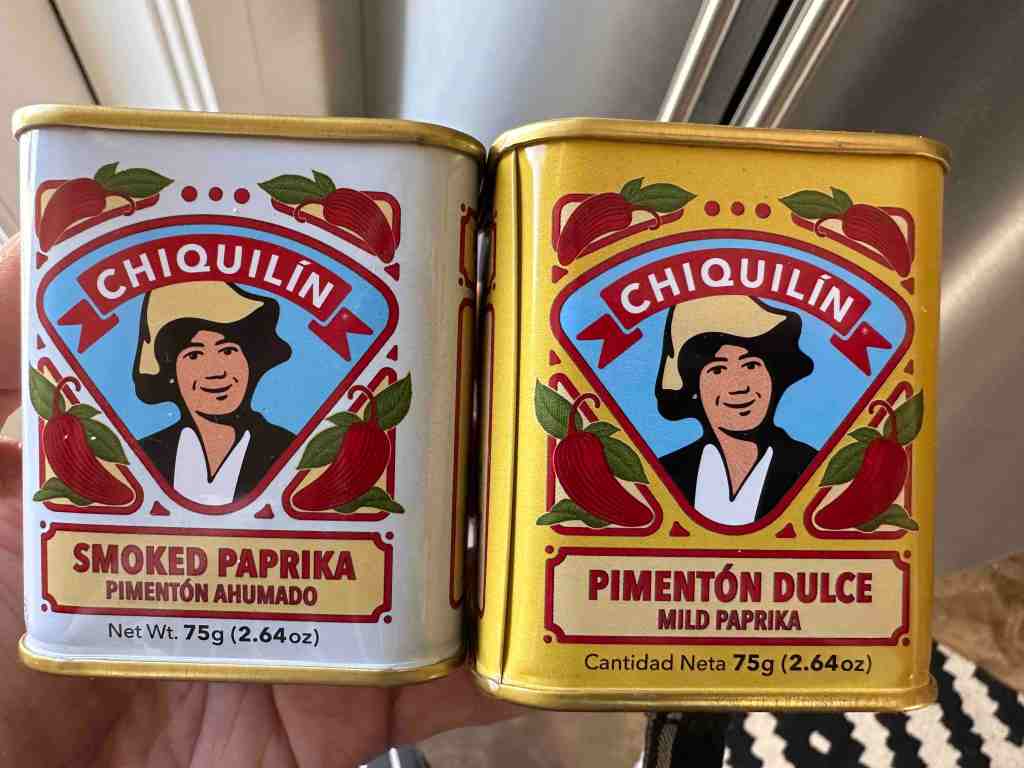
For the Dal, I included ground turmeric, cumin, smoked paprika, mild paprika, and then I grated in some cinnamon.
I included one garlic clove here too.
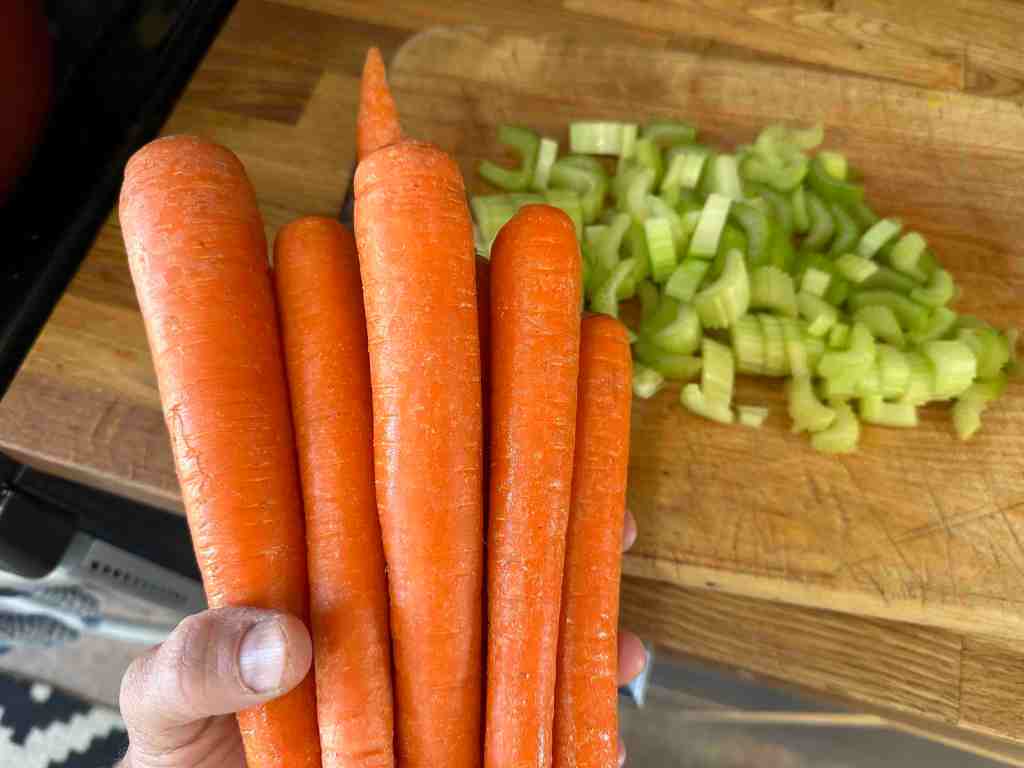
Then you wash, chop and add four celery stalks, (or more, if you prefer,) and about 8 big carrots.
Each time, add some more oil, salt and pepper to make sure everything is seasoned.

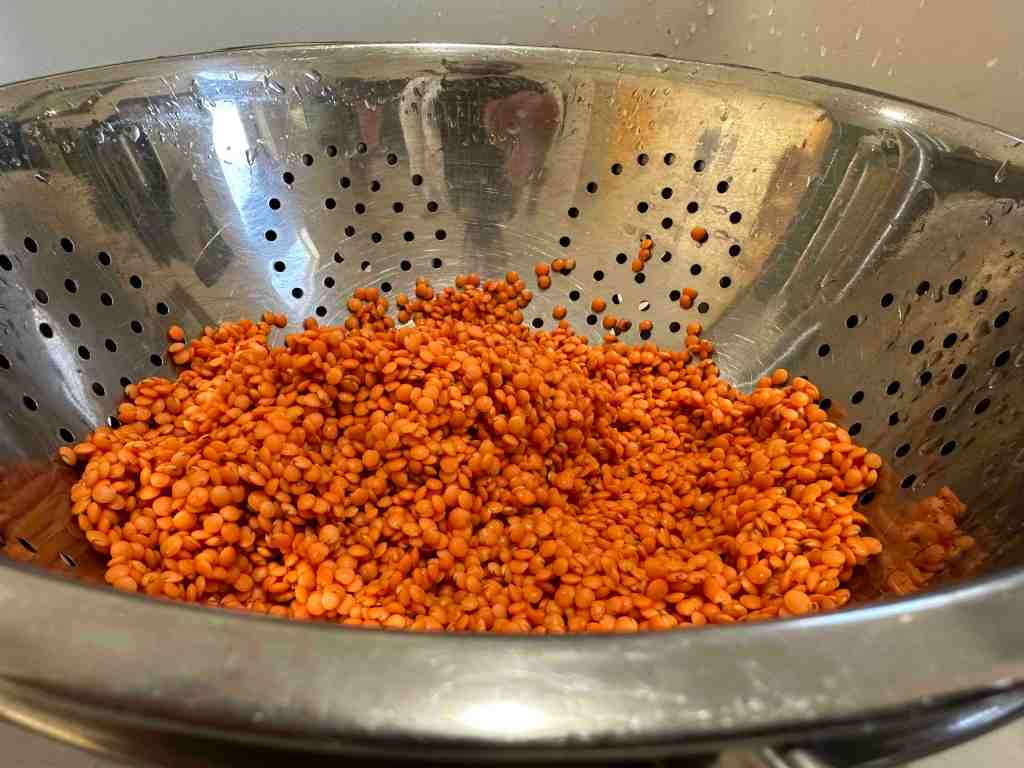
Wash the lentils in a colander, (or two stacked, if you have them,) and then add them to the pot.
Fill up the pot with two boxes of stock, water, and a shaken can of coconut milk.

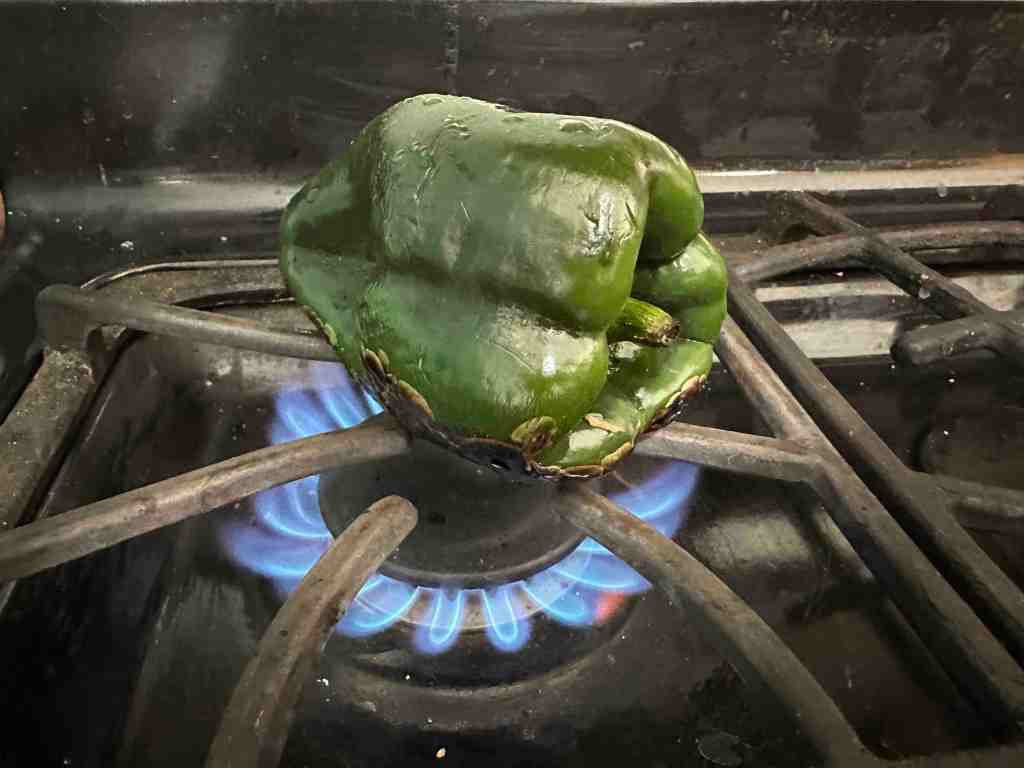
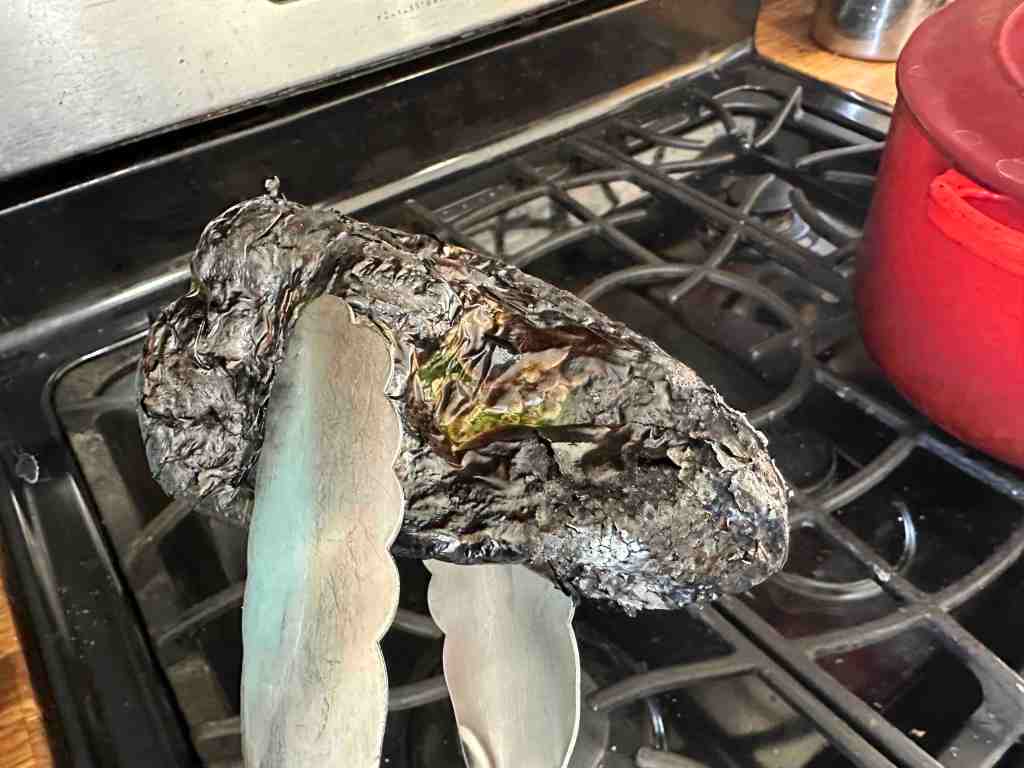
Before or after, fire up a poblano pepper on the gas stove, char it, then put it in Tupperware for five minutes, and slide off skin in the sink. Finish cleaning the pepper, chop it, and add to the soup.
Throw in one handful of baby spinach leaves, and then one more at the end.
Drop in one tablespoon of tomato paste here too.
From there, you’re cooking it for about 3-4 hours, give or take.
Add the juice of one lime and one Cara Cara orange, a few tablespoons of sugar, and more salt and pepper to taste.
Cook it down until the flavor and consistency are to your liking, and serve with brown rice.
I promise you. My kids freaked out. It’s that good.
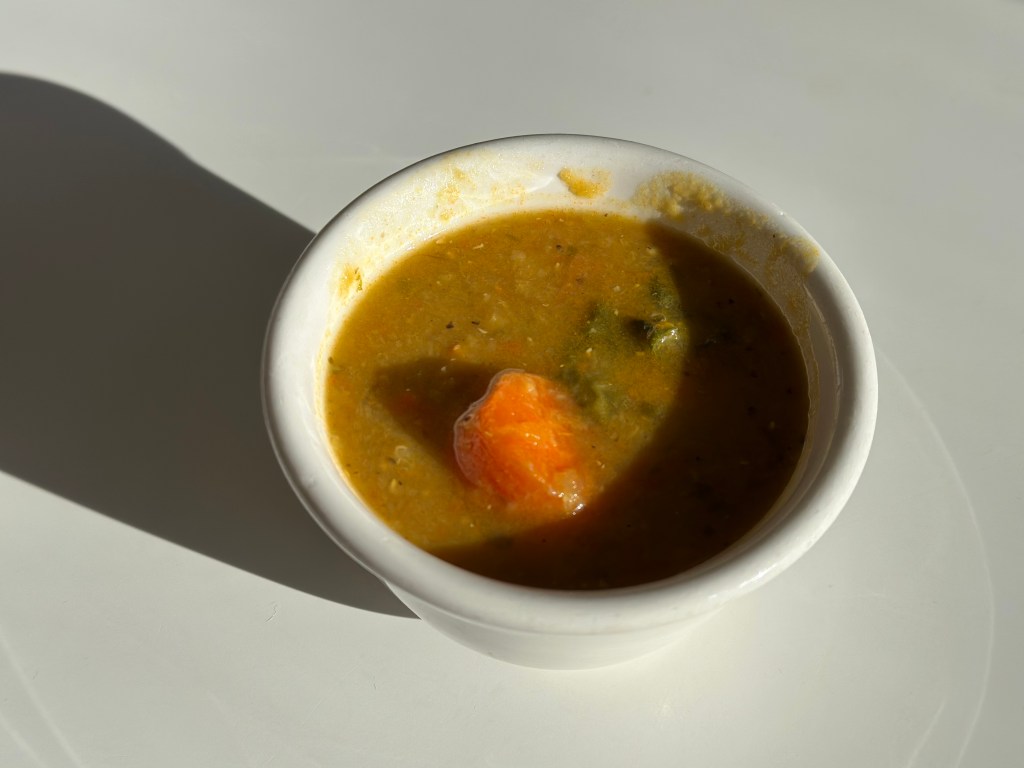
Proper Indian food, for very little money.
Happy Cooking!
-
The 7:30 am Dog Walk

Dogs love routine.
They crave it.
And it doesn’t take much to turn a new, random occurrence into a hard-set expectation.
In this case, I’m thinking of the 7:30 am dog walk.
Which has only recently come about, but now gets treated with the severity of impending nuclear war with China over Taiwan.
(No joke.)
The looks I got this morning, when I was dragging, and hoping they’d just forget?
Such intensity!
10 days ago, there was no fucking 7:30 am dog walk, but that was 10 days ago.
“Move your ass, man! Get going!”
(They told me through their eyes.)
And honestly, a walk in the morning is lovely.
That’s the best part: the dogs are not wrong.
Getting out into the fresh air, not long after the sun has come up, (but long enough that it’s no longer freezing,) sets my day off in a different mood.
A bright mood.
I may resent the dog pack for its requirements, (sometimes,) but I simultaneously appreciate the wisdom of their doggie ways.


Sunshine 
Olly Sunshine and Olly 
Regular Mood 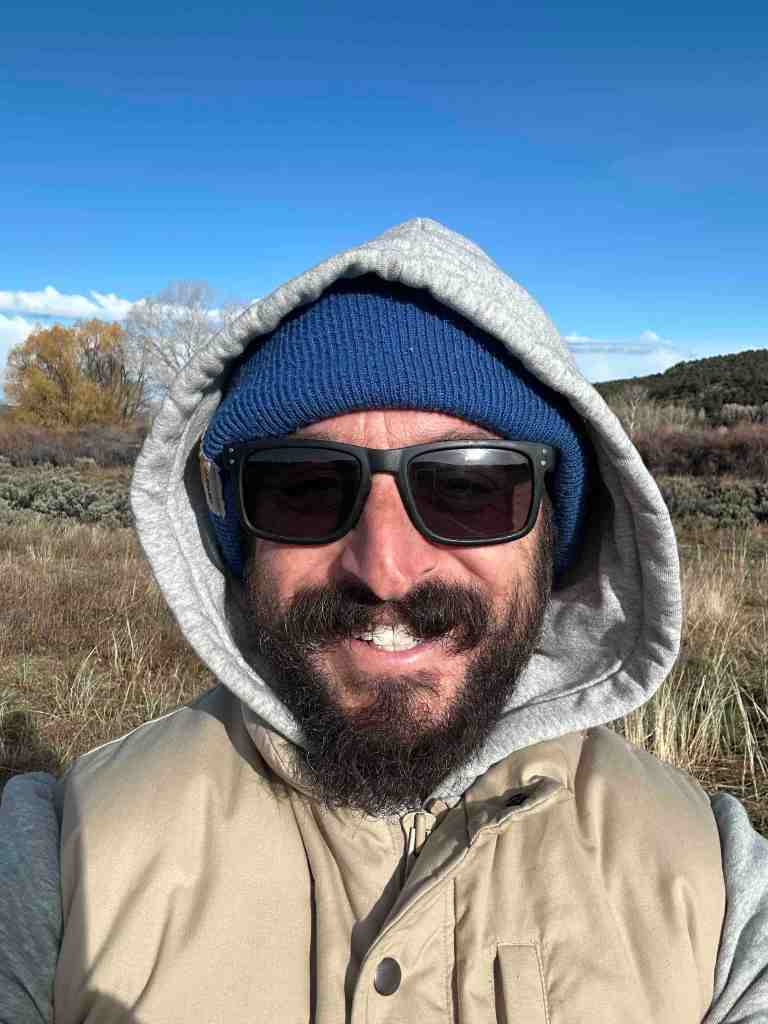
Post-Walk Mood -
Photography Review: Trevor Traynor’s Newsstands.XYZ

Definitely having deja vu right now.
It’s just like the old days.
I wanted to write for you guys, but didn’t know what to post.
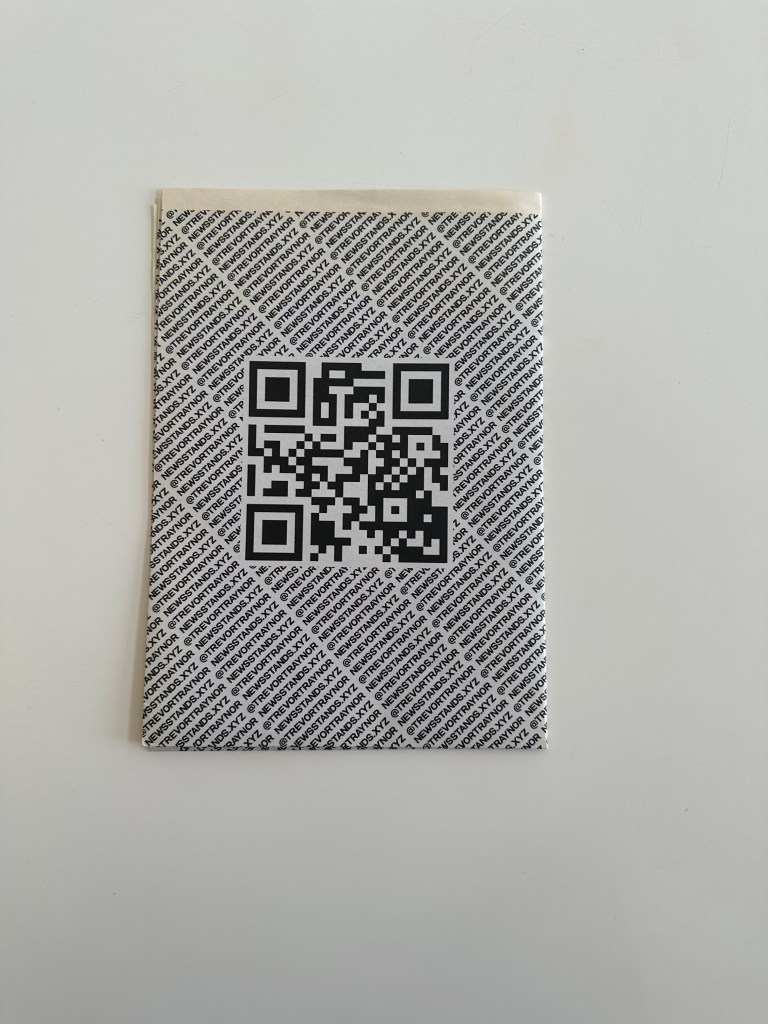
So I went to my book stack, (the extra submissions being the impetus for this blog,) and found a fascinating little zine/poster, which is definitely worth writing about.
I was curious to open up Trevor Traynor’s fold out, if for no other reason than natural human curiosity.
(When there is a puzzle to solve, we want to solve it!)
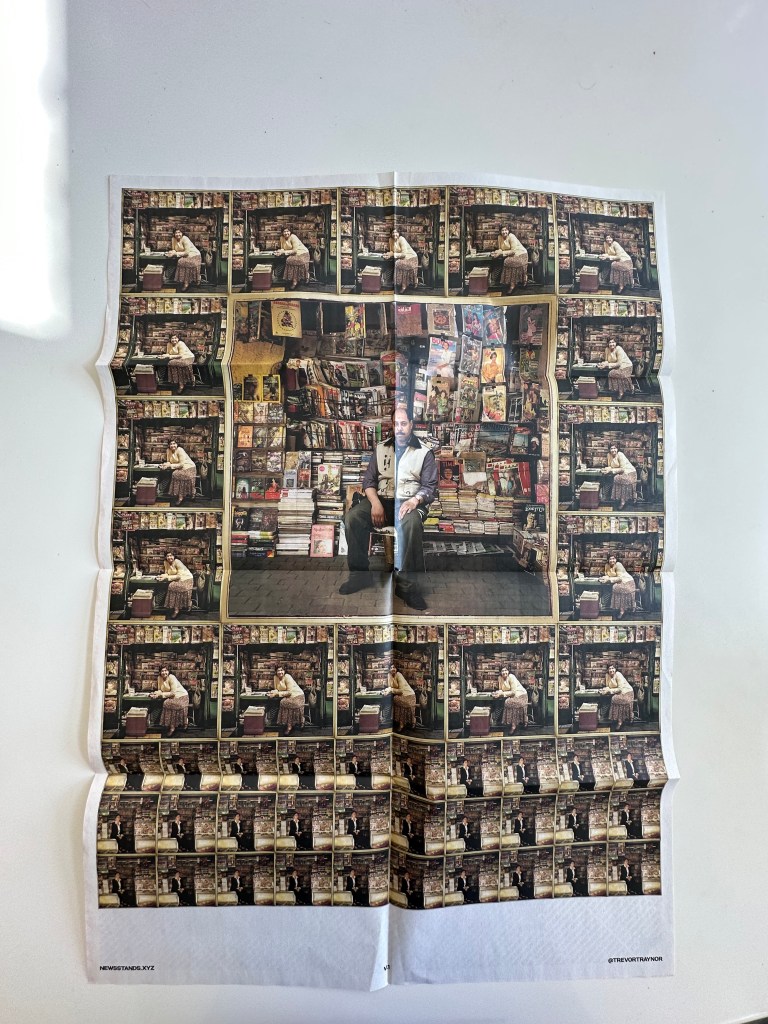
This was new for sure, as the repeating patterns of words, handles, newsstand photo, and a massive QR code grabbed my attention too.
(Beyond the primal urge to unfold.)
When I opened up newsstands.xyz, again there were instances of photos, with strong repeating design, and I was hooked enough to pull out my phone, and snap the QR code for help.
Which brought me to a website offering lots of NFT information, in various forms, and it took me a minute to acclimate.
Frankly, I stopped paying attention to the NFT scene after the umpteenth crypto crash, but what did we have here?
Mentions of AI images?
Were the photos I had AI generated?
Seemed like the timeline was off.
So I kept clicking.
An older edition, the one from my poster, were photos of newsstands taken in cities, including New York, Paris, and Lima.
A new edition, also for sale, has AI generated images of newsstands in the future, I think?

Again, I’m sharing here bc I think the original photos were really good, Trevor seems to know where things currently stand in the NFT world, and maybe where they’re headed?
A person to follow on social media, for sure.
Hope you find his zine/poster interesting, and catch you next time!


-
Olly and Kevin, the Perfect Pair

I’m tired of scrolling.
How did we ever get so accustomed to the habit?
Whether on Twitter, FB, IG, or I guess Tik Tok, (which I don’t use,) the act of quickly watching information and flashing lights go by, for hours a day, obviously rots our brains.
It’s designed to be too fast for us to process.
We’re overwhelmed, and then feel that way.
I’m as guilty as anybody, though I’m definitely cutting down on my Twitter time.
On Sunday, I posted the image below in IG, which I rarely do on the weekends.
The portrait of Listo the horse, (whom Theo renamed Kevin,) was too good not to share.

A portrait of Listo (Kevin) on Sunday Of course I then opened IG a few times throughout the day, to check for likes, which I would not have done had I waited to post until Monday.
Social media is insidious like that.
We crave the attention, but then it takes our attention away from better things.
(In my case, rest, and hanging with my family.)
I quick-looked at the photos, and then shared Kevin’s portrait.
But just now, wondering what to write about for you today, (I knew it was time,) I went back to the material, and realized the pull-back shot, with Olly at Kevin’s feet, was incredible.
I had missed it, in the haste.
But the pic is perfect for today.
Dependable Olly, looking solid at Kevin’s feet
I don’t write about the dogs enough, but they’re constant companions, 7 days a week.
And Olly is as sweet, loyal and dependable as anyone could want.
She definitely steals my couch spot, (all the time,) but other than that, she’s the nicest pup out there.
Her sister Sunshine is a handful, but that’s another story for a different day.
Catch you next time!
-
My First Big Story for HuffPost

I’ll be honest: I wasn’t planning to write today.
I was going to bag it.
In fact, I just went up the hill for a little walk, planning to come down and write a chapter for my novel.
(I got one in yesterday, as it had been a few weeks.)
Little did I know, but my phone dinged, and my son, texting from High School, LMK that my first major story with HuffPost had dropped.
And indeed it had.
I got a screenshot from a 15 year old, because I was using exercise, sunshine, and blue sky to juice my creativity.

From Theo’s school computer. Instead, I had to pivot to promotion-mode, and drop the news on FB, Twitter and IG.
Hopefully, I’ll rally, and still get that chapter in.
But I’ve been working on this story since August, so today is a big day indeed.
One day, I’ll share more details, and images.
Because my time at Wild West City was both fascinating, and dense.
Today, though, is all about the story we told at HuffPost, using photographs and good-old-fashioned writing.

No video or audio.
(Not that I have anything against those media. I love them too.)
It all began when I learned of Wild West City’s existence, randomly, because I clicked on Larry Storch’s obituary in the NYT.
(Then I called my cousin Jordan, b/c I knew he’d remember “F Troop,” from those god-awful reruns. And so he did.)
I guess I chose to write this post because I’m buzzing, finally seeing something that took so much work come to fruition.
Will the world like it?
Will it register as a blip in the Great Internet Content Machine?
Stay tuned.
-
Make America Mexico Again

Quick one today.
I was just out walking the dogs, on a sunny-blue-sky morning.
Man, does good weather make a difference.
I got to thinking, and my mind wandered to my trip to Amsterdam, in late February 2020.

Hotel Room View, Feb 2020 I was there to supervise publication of my book, and Covid was making its initial march across the globe.
So little was known.
This was two to three weeks before global lockdowns began.
Each time I came back to my hotel room, I carefully took off my exterior clothing, and left it by the door.
Then, I washed my hands furiously.
Every time.
Yet as I walked the streets and enjoyed myself, I’d stop into crowded coffee shops, and smoke weed in the company of strangers.

Inside a coffee shop. We were pressed together, sharing air in small spaces, which was infinitely more dangerous than anything on my hands or clothing.
Within a month, people were wiping down their mail with bleach, but going into crowded grocery stores without masks on.
Like Rummy once said, it’s the unknown unknowns that get you.
However, when you think about it, every day we live with a fraction of the information available to the world.
Even the smartest of us knows nothing, compared to all there is to know.
Much less all the things that nobody knows?
I was thinking about this the other day too, after Theo and I drove down our dirt road, returning from town.
A huge red-tailed hawk swooped into a neighbor’s field, and then rose with a snake in its mouth.
Like, right in front of us!
We watched the bird land on a tree branch, up above, with the snake dangling down.
Theo said, “Make America Mexico Again,” and I laughed so hard.
It’s a brilliant joke.
As Mexico City’s founding was based on the story that Aztecs, heading down from Northern Mexico, found an Eagle with a snake in its mouth, sitting on a cactus, and thereby founded Tenochtitlan.
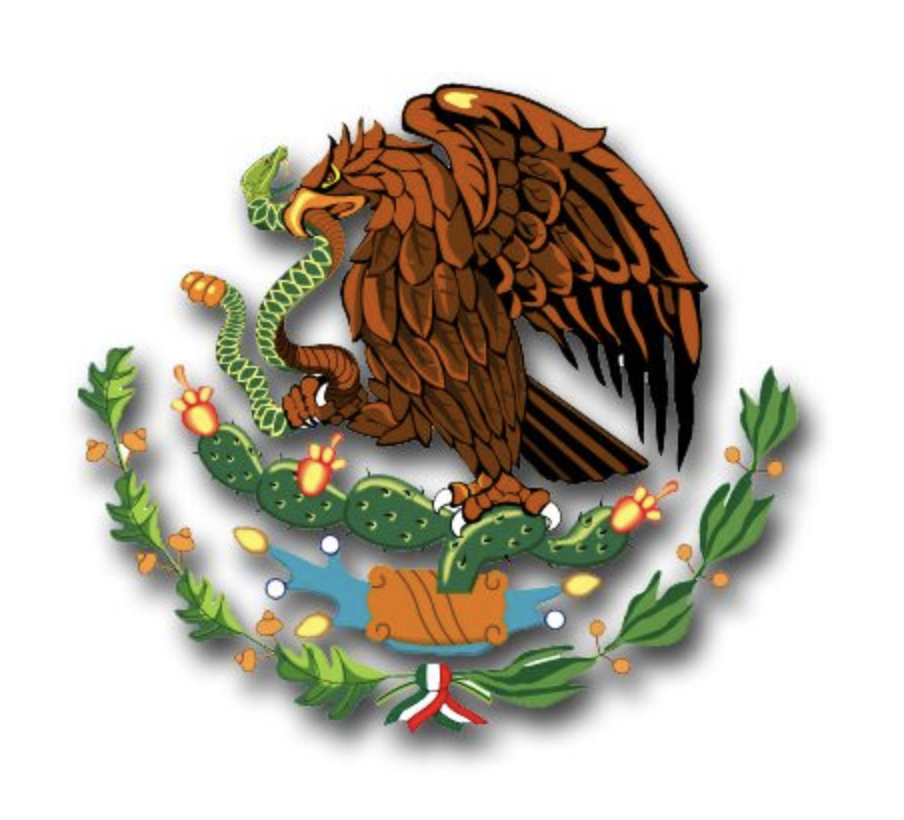
Mexico’s Coat of Arms. (Image courtesy of Militarybest.com) We live in a part of America that was Mexico, up until 1846.
Little did my neighbors’ ancestors know a tide was coming, back then, which would change everything about the context of their lives.
Seriously: who the fuck knew the country they lived in would change, based upon the whims of some greedy politicians?
Or that my son and I would be living on the land, nearly 200 years later?
Driving home the other morning, with the light so crazy over the mesa. Let’s end this one here:
Life is big and complicated.
We don’t know how it will turn out.
So don’t be afraid to take a chance, now and again.
Live a little.
Catch you next time.
-
The Best Fried Chicken I’ve Ever Had

More food talk today.
I’m currently watching some deer bound through the field, right this second, and hope they all make it through the day alive.
The dogs scavenged some coyote kill yesterday, a deer relative, and then took turns waking up during the night, barking, to eat fresh meat.
(No fun for the human sleepers, I assure you.)
Not two minutes ago, I was stretching in the sun.
Yes, the sun is finally back! Though it was 13 degrees F when I took Theo to school this morning, so the longest Winter ever hasn’t given up the ghost quite yet.
Like I said, I was stretching, and realized that part of the deal with a blog is, you write. Even if you don’t exactly feel like writing, you have to keep up the habit.
“What would I like to write about,” I asked myself?
“What won’t feel like work, and can be brief?”
I realized: The Chicken.
I’ll have more to say about Oklahoma in the future, as I did see things in my time in Tulsa.
They eat a lot of meat there, as you might imagine.
And people are large.
So I was excited to notice a burger joint, right off the highway, South of the city, that had a VERY full parking lot.
And JUST the right look.
Established 1975.
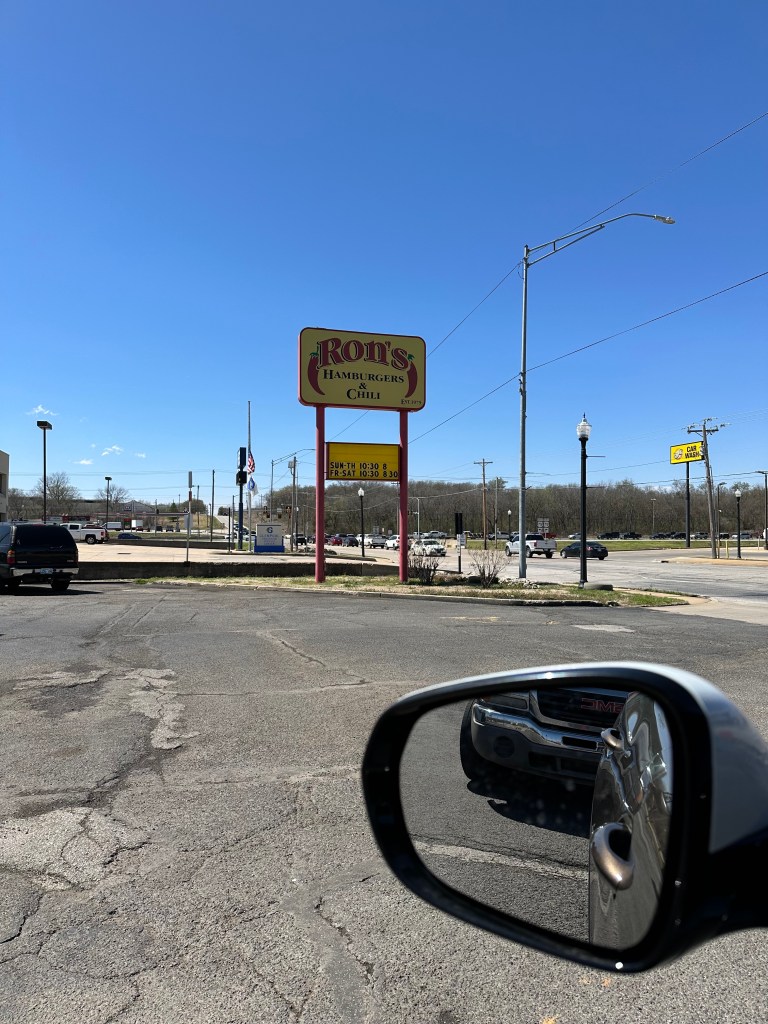
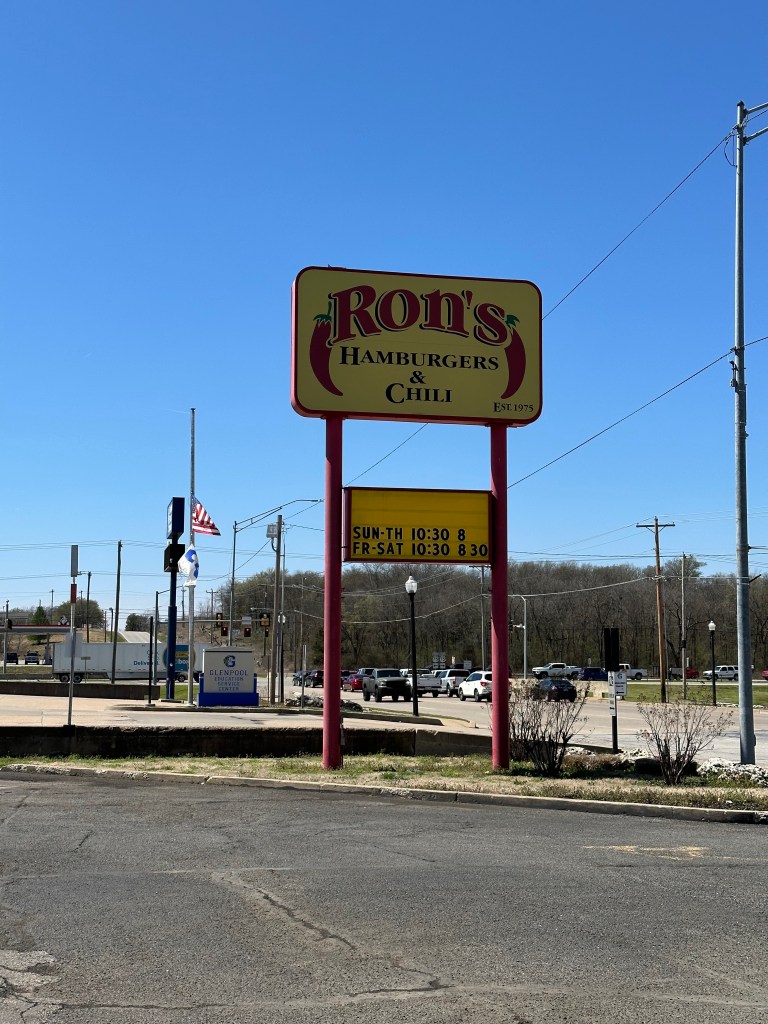
This place, I thought to myself, will have great food.
I was met by a nice waitress, with black hair, who assured me I’d found a great spot.
I sat down, and she walked me through their specialties.
The best burgers in OK, with a mix of beef and pork sausage. Those could be covered with all sorts of things, like cheese, but especially chili.
They were known for their chili, and even did it Cincinnati style, over pasta.
(Or over burgers, as I said.)
Their chicken was also legendary, she told me.
I would not be making any mistakes if I ordered fried chicken.
Then she left me to my thoughts.
Having already partaken in biscuits and gravy, both mornings, at the Holiday Inn Express buffet, (not a lot, but still,) my body rebelled against the idea of beef, pork, and cheese.
In any combination.
Chicken sounded possible.
I noticed their basket, with house-cut, bite-sized, fried chicken nuggets and fries.
One option included jalapeños, which was confusing.
The nice waitress confirmed it meant fried jalapeño slices, along with the chicken and fries.
All together.
Tutto insieme.
She said she liked to order it that way.
Good enough for me.
And to save you suspense, it was easily the best fried chicken basket I’ve ever eaten.

Perfect food.
The chicken was so well seasoned, the fries the best you’ll get, but the heat of the jalapeños, enough to cut the richness of each bite of chicken… sublime.
They offered an array of sauce choices, and the BBQ they gave me was dope.
That sweetness, in with the heat, saltiness, umami, fried goodness…
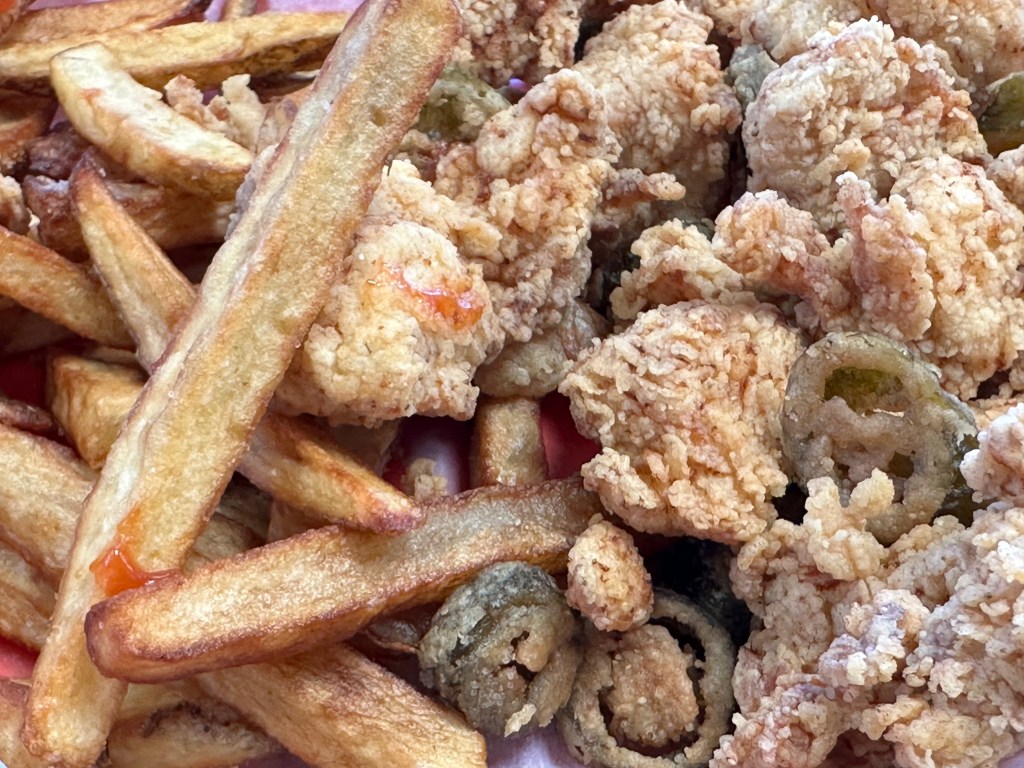
Probably some of the best food I’ve eaten in a while.
Period.
That I packed up half and ate it at the airport, for dinner, made it the perfect travel-day food too.
If you are ever in Oklahoma, check it out.
Ron’s Hamburgers & Chili
Four Stars out of Four
-
How to Make Great Pizza

It’s healthy to express our creativity in different ways.
Frankly, that’s one of my favorite parts of the creative process: it only gets stale if you let it.
Today, for example, it was a bit harder to push myself to write, as I’ve been in photographer-mode since my big trip last week.
All of the logistics, and planning that go into making a shoot successful, plus the travel, and then the actual photography, it’s quite energy intensive.
Didn’t leave a lot of spare room to think about blogging.
I guess all those intense feelings had outlets, so I’m mostly left with tired.
That said, I’ve got a family to feed, and cooking is one of my favorite forms of creative expression.
I hinted on IG a few weeks ago this post might be coming, so I’m going to share with you the basic precepts of how to make great pizza.
(B/c I busted it out last night.)
Heads up: it does require certain equipment, and lots of trial and error.
I can’t help you with amounts, (much,) because my recipe is all about eyeballing things.
But I can share ingredients, steps, and know-how.
The pizza can be broken down into four main categories: The dough, the sauce, the cheese, and the tech.
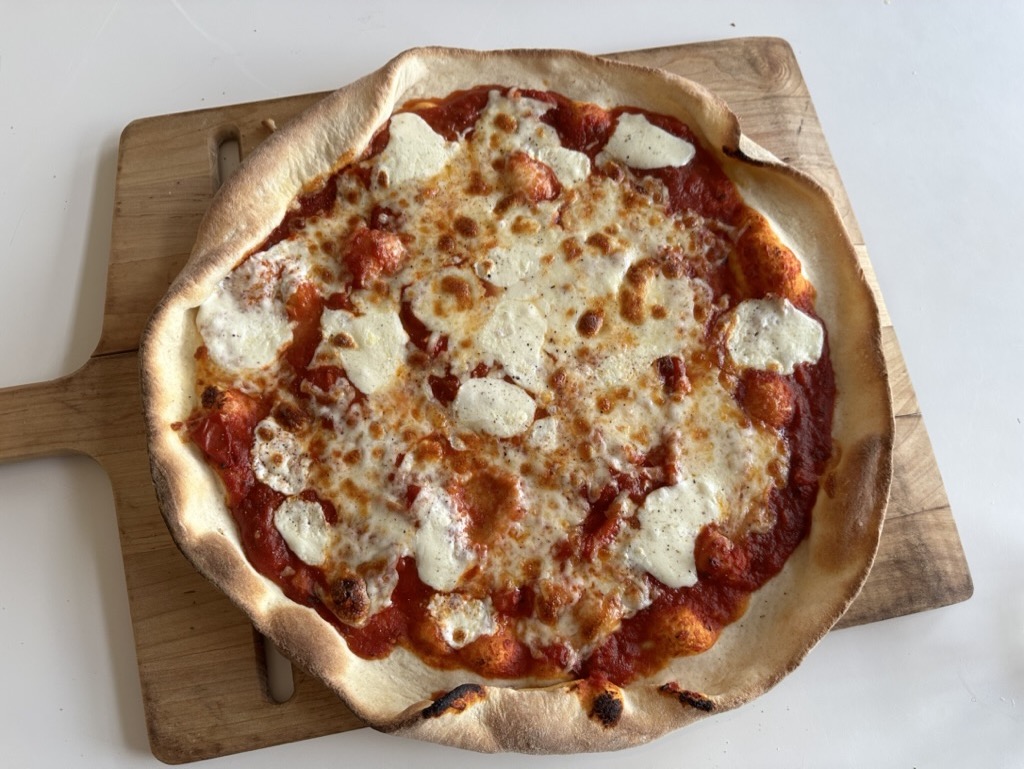
I didn’t plan to make pizza, so no fresh basil in the house. The Dough
To start on the dough, pour what is probably something like 3 cups of very warm water into a mixing bowl.
Add 1.5 Tb of yeast, and 1.5 Tb of sugar, stir them, and leave them to sit for a few minutes.
Then keep adding flour until the entire mix gets tacky, and then dry to the touch.
I like to use a mixture of AP flour, bread flour, and a bit of whole wheat flour.
This is also the part where you add a nice bit of salt, and a healthy few glugs of extra virgin olive oil.
Knead it a bit, cover the bowl with a kitchen towel, and leave it for an hour.
Then, punch it down, and repeat the process as many times as you’d like, before cooking. (Meaning, leave it for an hour, punch it down, and then re-knead, adding extra flour as necessary.)
The Sauce
Basic rule of thumb here is that the dough always robs the sauce of some flavor, so make your pizza sauce flavorful as fuck.
I use Cento crushed tomatoes, and throw them in the pan, (with half a can of water,) after I caramelize garlic.
My regular ingredients are sugar, fresh squeezed lime juice, Mexican oregano, chopped fresh tomatoes, balsamic vinegar, salt, pepper, and chile oil. Plus fresh basil, if you have it. And lately, I’ve taken to adding some tomato paste, and occasionally Kalamata olives.
Go for big flavor, and balance.
The Cheese
I like a mix of Galbani dry mozzarella, which I shred, and packaged fresh mozzarella, which I slice/chop.
If you have Reggiano Parmesan, or Pecorino Romano, go for it. Good ricotta makes a nice topping too.
But if you have the combination of high-end dry and fresh mozzarella, you’re good to go.
The Tech
I have a convection oven that goes up to 550, and this helps. As does a pizza stone, on which I place my pizza pan.
It’s stainless steel, but with air holes, so the heat permeates the pan more easily.
Spray-on olive oil is great for coating the bottom of the pan, and I use a huge, wooden pizza paddle to hold and serve the pizza, once it’s out of the oven.
Bringing it all together
Last night, I tried rolling the dough extra thin, having added more olive oil, and it worked well.
But the process is kind of intuitive.
Roll out the dough, (and throw it around, if you can,) then spoon on the sauce, add the cheese, and chuck it in the oven.
I like to spin it in the oven once, (with tongs,) to help cook evenly.
Then remove from the oven, let it sit for at least 5 minutes, for the cheese to congeal, and slice it up.
Enjoy!
-
Subscribe
Subscribed
Already have a WordPress.com account? Log in now.
 Sunshine and Olly